
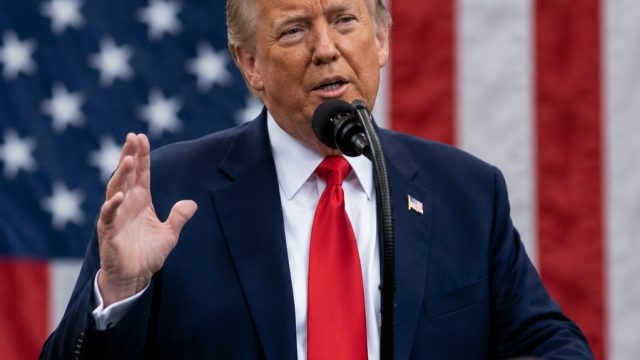
In a politically charged atmosphere, former President Donald Trump recently delivered a speech at a Mack Trucks facility in Pennsylvania, where he emphasized his past economic achievements over outlining future plans. This focus on nostalgia rather than a forward-looking agenda raises interesting questions about the current state of American politics and the challenges facing candidates in the lead-up to the next election cycle.
The Significance of Historical Accomplishments
Trump's approach during his speech was notable for its attempt to connect with blue-collar workers through references to economic milestones achieved during his administration. By reflecting on the past, he aimed to evoke a sense of pride and optimism among his supporters, contrasting it with the perceived struggles of the current administration.
Engaging the Working Class
Speaking at a prominent manufacturing site like Mack Trucks was no coincidence. Trump has long positioned himself as a champion of American workers, and this speech served to cement that image.
- Brand Loyalty: By visiting a well-respected company within the automotive industry, Trump aimed to reinforce his connection with voters who feel left behind by recent economic shifts.
- Emotional Resonance: Referencing past successes not only strengthens his narrative but also taps into the emotional aspects of economic stability and job security.
Current Economic Climate and Political Implications
While Trump’s focus on the past may resonate with some, it also highlights the broader challenges and criticisms he faces, particularly regarding how current economic conditions differ significantly from those during his presidency. Critics argue that his retrospective approach could be viewed as an evasion of responsibility for today’s economic hurdles.
Critiques of a Nostalgic Narrative
Many political analysts believe that relying heavily on past achievements can be a double-edged sword. Here are a few reasons why:
- Economic Changes: The economic landscape has evolved, and voters may be looking for solutions to new challenges, including inflation and supply chain issues.
- Future Vision: Without a clear outline of future plans, potential voters might question the candidate’s capability to navigate current problems effectively.
- Perceptions of Relevance: Enthusiasm for past accomplishments may not translate into support if those successes feel disconnected from present-day realities.
Impact on Future Campaign Strategies
Trump’s strategy of leaning on his previous administration's successes raises questions about how he and other candidates will position themselves as the race for the presidency heats up. A focus on past victories may cater to a certain demographic, but it risks alienating those who are more concerned about future policies.
Responding to Voter Concerns
As candidates prepare for the upcoming electoral battles, understanding the electorate's current issues will be critical. Here are a few approaches they might consider:
- Addressing Immediate Concerns: Prioritizing discussions around inflation, job creation, and economic growth will be essential.
- Innovative Solutions: Proposing actionable plans that resonate with everyday challenges faced by voters could enhance their appeal.
- Community Engagement: Engaging with local communities and industries can help candidates craft messages that better reflect the needs of their constituents.
Conclusion: The Future of Economic Dialogue in Politics
Trump's recent speech at the Mack Trucks facility serves as a critical reflection on the balance between celebrating past achievements and addressing present and future challenges. As the political landscape shifts, both established and emerging candidates will need to navigate this delicate balance to resonate with an increasingly diverse voter base. The focus on economic dialogue will undoubtedly play a pivotal role in shaping the upcoming elections, highlighting the importance of adapting to contemporary issues while still acknowledging the past.
As we move forward, it will be essential for politicians to blend their historical narratives with proactive strategies that speak to the concerns and aspirations of modern-day Americans.