
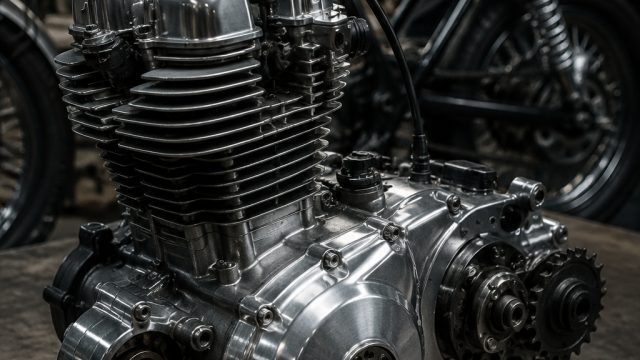
In the rapidly evolving world of motorcycle technology, innovation is key to maintaining an edge. Recent developments in high-revving motorcycle engines have not only sparked interest but also ignited discussions around performance standards across the industry. This article dives into the transformation brought forth by this groundbreaking technology and why it matters for both manufacturers and riders today.
A New Era in Engine Design
The high-revving motorcycle engine has emerged as a game-changer, pushing the boundaries of speed and efficiency. These engines operate at elevated RPMs, delivering more power and responsiveness compared to traditional models. With the motorcycle market increasingly leaning towards performance-oriented designs, the latest innovations are crucial for brands looking to captivate enthusiasts.
Understanding High-Revolution Engines
High-revving engines are characterized by their ability to reach impressive RPMs without sacrificing reliability. This aspect allows manufacturers to explore new dimensions of performance:
- Increased Power Output: The higher the engine revs, the more power it can deliver, essential for competitive racing and thrilling rides.
- Lightweight Materials: Modern designs utilize advanced materials that reduce weight, enhancing overall performance.
- Improved Fuel Efficiency: Contrary to popular belief, higher RPMs can lead to better fuel usage under certain conditions, especially when paired with advanced fuel injection systems.
The Impact on Rider Experience
The advancement of high-revving engines not only affects performance metrics but also significantly enhances the rider's experience. Riders now crave the thrill of higher speeds and quick acceleration, which creates a more engaging ride. This evolution aligns with a growing demand for performance motorcycles that can navigate both urban settings and race tracks with agility.
Engagement and Responsiveness
The relationship between the motorcycle and the rider has transformed with these engines. Key benefits include:
- Instant Throttle Response: Riders enjoy the ability to accelerate quickly, making each ride feel more dynamic.
- Enhanced Cornering Capabilities: Lighter engines contribute to better handling and maneuverability, particularly in tight turns.
- More Feedback: High-revving engines offer better auditory and tactile feedback, allowing riders to connect more deeply with their machines.
Challenges and Future Outlook
While the advantages are clear, the implementation of high-revving engines brings its share of challenges. Manufacturers must navigate issues such as:
- Durability Concerns: Operating at high RPMs can lead to increased wear and tear, necessitating innovative engineering solutions.
- Regulatory Compliance: Stricter emissions regulations may pose hurdles for high-performance engines aiming to reach new heights.
- Market Competition: As more brands adopt similar technologies, standing out becomes vital.
Looking ahead, the future of motorcycle engines appears promising. Manufacturers are increasingly investing in research and development to optimize performance while ensuring sustainability. The integration of electric and hybrid technologies may also influence the design of high-revving engines, leading to even more exciting developments.
Conclusion: Why This Matters Now
The emergence of high-revving motorcycle engines signifies a pivotal shift in the industry. With a growing emphasis on performance, manufacturers who adopt these innovations are likely to attract a larger base of passionate riders. As this trend continues, enthusiasts can anticipate a thrilling future filled with bikes that not only promise speed but also redefine the riding experience entirely. The time to pay attention to these changes is now — whether you're a casual rider or a seasoned pro, the developments in engine technology are set to enhance every aspect of motorcycling.