
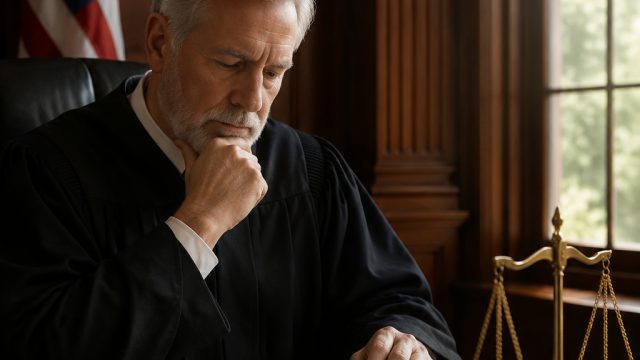
As the landscape of legal interpretations continues to evolve, the recent remarks by Alabama's Attorney General have sparked a significant debate regarding the role of courts in defending the state's constitution. In a statement that suggests a cautious approach to legal challenges around constitutional requirements for holding public office, the Attorney General raises questions not only about the judiciary's function but also about the very essence of democratic accountability.
The Attorney General's Position
Following a wave of legal challenges asserting various constitutional rights, Alabama's Attorney General contends that courts should refrain from addressing disputes related to the constitutional qualifications for candidates running for office. This stance underscores a broader perspective that sees the judiciary as potentially overstepping its boundaries.
Concerns Raised
- Judicial Activism: Critics argue that avoiding court intervention could lead to a slippery slope of undermining the checks and balances that are essential to a functioning government.
- Voter Rights: The implications of this viewpoint may adversely affect voter rights, as challenges to candidates' qualifications often reflect broader issues of representation and accountability.
The Significance of Judicial Oversight
Courts serve a vital function in a democratic society: they interpret laws, uphold constitutional provisions, and protect individual rights. The Attorney General's assertion raises critical concerns about what it means for judicial oversight when it comes to electoral integrity and candidate eligibility.
The Essential Role of Courts
Without judicial examination, the potential for abuses of power increases. Courts not only serve to protect the constitution but also act as a forum for the public to challenge and hold elected officials accountable. Here are several reasons why the judiciary should remain vigilant:
- Checks and Balances: The judiciary acts as a counterbalance to legislative and executive powers, ensuring that all actions are within constitutional limits.
- Protection of Rights: Courts have historically played a crucial role in safeguarding minority rights against the majority's will.
- Restoring Trust: By addressing valid concerns through legal avenues, courts can help restore public confidence in the electoral process.
The Current Climate of Legal Challenges
Amidst a backdrop of increasing legal scrutiny, many states are facing numerous challenges to their electoral systems and candidate qualifications. Alabama is no exception, with ongoing debates about eligibility criteria that have significant implications for future elections.
Implications for Alabama
The Attorney General's position may resonate with certain segments of the population, particularly those advocating for limited judicial intervention. However, this also raises questions about accountability and the ethical responsibilities of elected officials. The need for courts to remain active in addressing these challenges is imperative for maintaining the integrity of the state's constitution.
Conclusion: The Path Forward
As Alabama navigates these constitutional challenges, it is vital for the courts to uphold their role as a stalwart defender of democracy. The Attorney General's perspective may reflect a wider sentiment against judicial activism, but turning a blind eye to valid challenges could leave citizens disenfranchised and weaken the foundation upon which democratic principles stand. It is the responsibility of all stakeholders to ensure that the rule of law prevails, and that courts remain a place where justice is served, and constitutional rights are vigorously defended.