
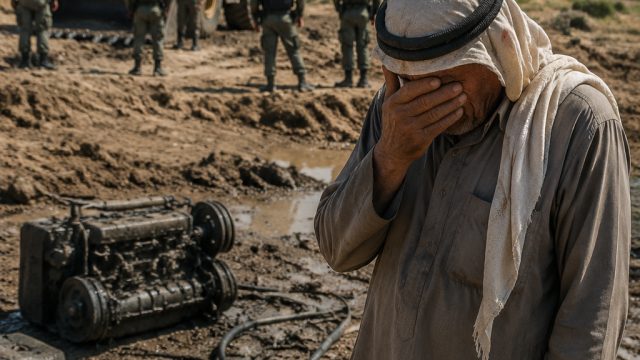
In a significant development affecting agriculture in the northern Jordan Valley, recent actions taken by Israeli forces have led to the confiscation of vital irrigation and solar energy equipment. This incident underscores the challenges local farmers face, particularly as they rely on alternative energy sources to sustain their livelihoods amidst strict regulations.
The Context of Equipment Confiscation
The northern Jordan Valley, known for its agricultural productivity, has seen increased tensions following the Israeli military's operations. On June 24, 2023, Israeli forces entered Khirbet al-Deir, confiscating crucial tools including solar panels, water pumps, and other irrigation systems. These tools are essential for local farmers, as they navigate restrictions that limit their ability to dig wells or connect to the electricity grid.
Challenges Faced by Local Farmers
- Dependence on Alternative Energy: With limited access to traditional power sources, many farmers have turned to solar energy to power their irrigation systems. The confiscation of solar panels not only disrupts their current operations but also hinders future agricultural planning.
- Water Scarcity: Water pumps play a crucial role in irrigation, especially during dry seasons. Without these pumps, farmers struggle to maintain crop yields, which can lead to food insecurity in the region.
- Economic Impact: The loss of equipment translates to financial strain on farmers who have already invested significant resources into these systems. The inability to operate efficiently can lead to reduced income and increased debt.
Current Agricultural Practices and Their Sustainability
Farmers in the northern Jordan Valley have adopted various innovative practices to increase sustainability in their agricultural processes. With the additional challenges posed by equipment confiscation, it becomes crucial to explore how these practices can be reinforced or modified to adapt to new realities.
Alternative Farming Techniques
Local farmers are increasingly implementing techniques such as:
- Drip Irrigation: This method conserves water and is efficient for various crops, making it particularly valuable in arid regions.
- Crop Rotation: Farmers rotate different crops to maintain soil health and reduce dependency on chemical fertilizers.
- Organic Farming: By embracing organic methods, farmers can reduce costs associated with synthetic inputs and appeal to growing markets for organic produce.
Looking Ahead: Potential Solutions and Support
As the agricultural community grapples with these challenges, potential solutions and support systems are being discussed to mitigate the impacts of equipment confiscation. International organizations, local NGOs, and community leaders are stepping up efforts to provide resources and advocacy.
Support Initiatives
Several initiatives aimed at supporting farmers include:
- Advocacy for Policy Changes: Engaging with policymakers to negotiate more favorable conditions for farmers, including easier access to water and energy sources.
- Community Resource Sharing: Establishing cooperative systems where farmers can share resources like equipment and knowledge to enhance productivity.
- Training Programs: Offering workshops on innovative farming techniques and efficient resource management.
Conclusion
The recent confiscation of agricultural equipment in the northern Jordan Valley highlights ongoing challenges for local farmers. As they continue to combat restrictions and strive for sustainability, the resilience of the agricultural community is being tested. Understanding these dynamics is crucial not only for local stakeholders but also for international observers who wish to support equitable solutions in the region. By advocating for policy changes and sharing resources, the community can work towards a more sustainable agricultural future.