
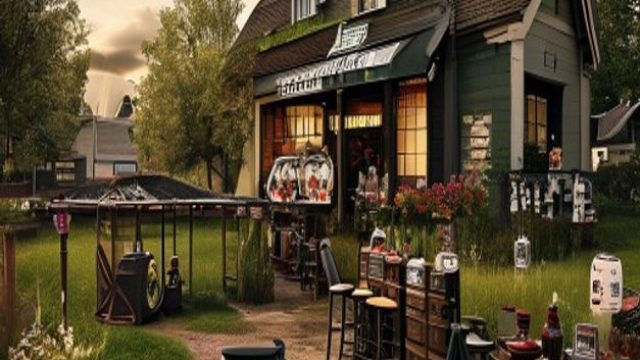
In an inspiring blend of agriculture and design, renowned designer Jean-Louis Deniot has taken on the ambitious project of transforming a dilapidated watercress farm in France into a sophisticated personal retreat and vodka production facility. This unique initiative showcases the potential of rejuvenating historical sites while promoting sustainable luxury.
A Fusion of Design and Agriculture
The project began with a vision to restore the abandoned properties that once flourished with watercress. Deniot, known for his elegant design sensibilities, saw more than just a crumbling landscape; he envisioned a space where agriculture and fine living could coexist harmoniously. His approach not only respects the rich history of the site but also introduces modern functionality that appeals to contemporary sensibilities.
The Restoration Journey
Restoration of the farm required meticulous planning and execution. Deniot focused on preserving the character of the original structures while incorporating modern amenities. Here are some key aspects of the restoration:
- Architectural Preservation: The integrity of the original buildings was maintained, with an emphasis on their historical significance.
- Modern Touches: Contemporary design elements were interwoven to create a seamless blend between the old and the new.
- Sustainable Practices: The farm operates on eco-friendly methods, showcasing how luxury and sustainability can go hand in hand.
The Vision Behind the Vodka
One of the most exciting elements of this transformation is the introduction of a vodka distillery, which adds a new layer of purpose to the estate. Deniot’s vision extends beyond mere aesthetics; it reflects a lifestyle choice that values artisanal production and local sourcing.
The Vodka Experience
The vodka produced on-site utilizes the farm's own agricultural resources, promoting a farm-to-bottle philosophy. Here’s what makes this vodka venture stand out:
- Local Ingredients: By incorporating watercress and other locally sourced materials, the vodka has a unique flavor profile that pays homage to the land.
- Artisanal Methods: The distillation process emphasizes craftsmanship, ensuring each bottle reflects the essence of the farm.
- Community Engagement: The project fosters local collaboration, providing jobs and promoting agricultural education within the community.
Why This Matters Now
At a time when sustainable practices are more critical than ever, Deniot’s project serves as a blueprint for similar initiatives worldwide. The success of the farm not only demonstrates the viability of restoring historical properties but also highlights the importance of sustainable farming in luxury markets.
The Broader Implications
This venture challenges conventional notions of luxury by intertwining ecological responsibility with sophisticated living. Here are some broader implications:
- Inspiration for Others: Deniot’s work encourages designers and entrepreneurs to consider how they can revitalize historic sites.
- Promoting Agricultural Heritage: By spotlighting local produce, such projects can revive interest in traditional farming practices.
- Creating Lasting Legacy: This initiative aims to leave a positive mark on the environment and community, creating a model for future developments.
Conclusion
Jean-Louis Deniot's innovative transformation of a forgotten watercress farm into a thriving vodka retreat exemplifies how design can breathe new life into historical properties. This project not only elevates the aesthetics of the land but also promotes sustainable practices that resonate with today’s eco-conscious consumers. As we look toward the future, it is clear that such initiatives will play a vital role in preserving our agricultural heritage while pushing the boundaries of luxury and sustainability.