
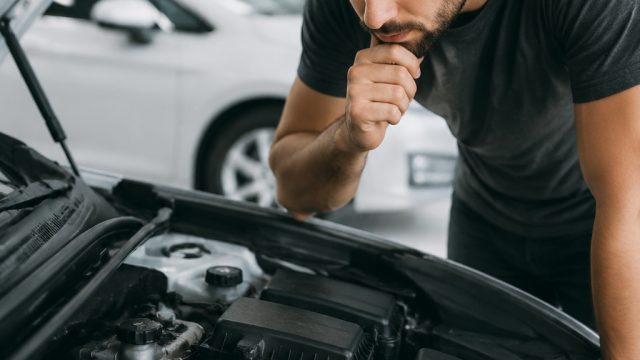
Buying a used car is an exciting venture, yet it comes with its own set of challenges and responsibilities. As the automotive market evolves, understanding what to check before making a purchase is crucial. Whether you’re eyeing a sleek sedan or a rugged SUV, keeping a close eye on key components can make a huge difference in your long-term satisfaction and safety on the road.
The Importance of Thorough Inspections
When considering a used vehicle, it’s easy to get caught up in aesthetics and price. However, it’s essential to focus on the mechanical integrity of the car. A comprehensive inspection of critical parts can save you from future headaches and unexpected expenses.
Why You Shouldn’t Skip the Inspection
- Cost Savings: Identifying issues beforehand can prevent costly repairs down the line.
- Safety Assurance: Ensuring key components are in good condition can protect you and your passengers.
- Vehicle Longevity: Regular inspections can lead to a longer lifespan for your vehicle.
Key Components to Inspect
Before finalizing your used car purchase, inspect the following components closely:
1. Engine Condition
The engine is the heart of any car, and its condition can dictate the vehicle's overall performance. Check for signs of leaks, unusual noises, and the state of the oil. A well-maintained engine will not only run better but will also be more efficient.
2. Transmission Health
The transmission is another vital part that requires careful inspection. Look for smooth shifting without hesitation or unusual sounds. A failing transmission can lead to significant repair costs.
3. Brake System
Brakes are critical for safety. Inspect the brake pads, rotors, and fluid levels. Listen for any grinding noises during test drives, as these could indicate wear and tear.
Additional Areas to Consider
Beyond the engine and transmission, here are other areas that deserve your attention:
1. Suspension and Steering
The car’s suspension system affects handling and ride comfort. Look for signs of wear or damage, and ensure the steering feels responsive.
2. Tires
Tire condition can affect fuel efficiency and handling. Inspect tread depth and check for uneven wear, which may indicate alignment issues.
3. Electrical Systems
Modern cars rely heavily on electrical systems. Ensure that headlights, taillights, indicators, and dashboard signals are functioning properly.
Utilizing Technology for Better Insight
In today’s digital landscape, there are numerous tools available for potential car buyers that can enhance their inspection process. From online vehicle history reports to diagnostic apps, leveraging technology can provide invaluable insights into a vehicle's past and condition.
Moreover, consider getting a professional mechanic's opinion. A qualified technician can offer a comprehensive inspection and identify any hidden issues that may not be visible to the untrained eye.
Conclusion: Make an Informed Decision
Buying a used car is a significant investment; hence, it’s vital to arm yourself with knowledge and resources. By focusing on critical components and utilizing available technologies, you can make an informed decision that leads to a reliable vehicle. Remember, thorough inspections can save you money and ensure your safety on the road. Don’t just rely on a good deal; prioritize the condition of the vehicle to enjoy peace of mind for years to come.