
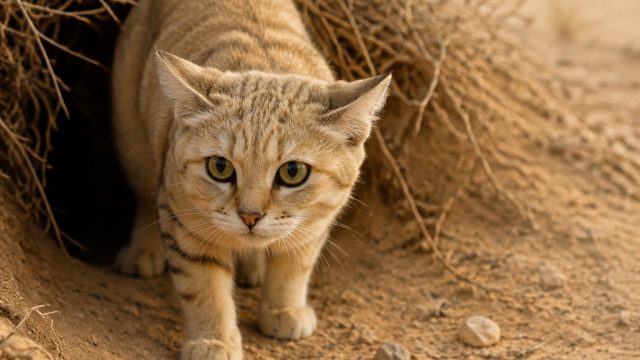
In an extraordinary turn of events, a recent YouTube video has provided undeniable evidence that the elusive sand cat, native to the sandy terrains of Libya, is indeed a living species. This surprising discovery, previously met with skepticism, is igniting interest among wildlife enthusiasts and conservationists alike, highlighting the importance of citizen science in today’s digital age.
The Sand Cat: A Brief Overview
The sand cat (Felis margarita) is a small wild cat that thrives in desert environments. Known for its unique adaptations, such as large ears and a sandy coat, it has remained one of the more mysterious feline species in the world. For years, this fascinating creature has been sparsely documented, leading to doubts about its ongoing existence in certain regions.
Habitat and Behavior
- Primarily found in desert areas of North Africa and parts of Asia.
- Adapted to survive in extreme temperatures, both hot and cold.
- Characterized by its nocturnal habits, making it elusive to daytime observers.
The Video That Changed Everything
Several weeks ago, a wildlife enthusiast posted a video on YouTube featuring what appeared to be a sand cat roaming the Libyan dunes. The video quickly gained traction, attracting the attention of biologists and environmentalists who were previously uncertain about the sand cat's presence in this particular area. Experts were amazed by the footage, as it showcased not only the sand cat's physical characteristics but also its natural behavior in the wild.
Impact of Citizen Science
This incident underscores the role of digital platforms in wildlife research. Citizen scientists, armed with smartphones and cameras, can contribute invaluable data to the scientific community. The video of the sand cat serves as a reminder that wildlife discoveries can emerge from unexpected sources, reaffirming the need for collaboration between amateur enthusiasts and professional researchers.
Why This Matters Now
The confirmation of the sand cat's existence in Libya is significant for several reasons:
- Conservation Efforts: Understanding the population dynamics of the sand cat can direct conservation measures to protect its habitat and ensure its survival.
- Ecological Balance: As a predator, the sand cat plays a vital role in the ecosystem, controlling the populations of small rodents and other prey species.
- Public Awareness: This discovery highlights the importance of wildlife and biodiversity, encouraging people to take an interest in conservation initiatives.
A Call to Action for Conservationists
With this newfound evidence, conservationists are urged to mobilize resources for research and protection of the sand cat's habitat. Creating awareness campaigns can engage the public to participate actively in conservation efforts, ensuring that this remarkable feline and its environment are preserved for future generations.
Conclusion
The unexpected confirmation of Libya's sand cat through a YouTube video highlights the power of modern technology in unveiling truths about wildlife. As we navigate through an era filled with digital innovations, the collaboration between citizen scientists and professionals can pave the way for groundbreaking discoveries. This incident not only celebrates the existence of the sand cat but also serves as a wake-up call for conservation efforts worldwide. The world is watching, and with every click and share, we can all contribute to preserving our planet's biodiversity.