
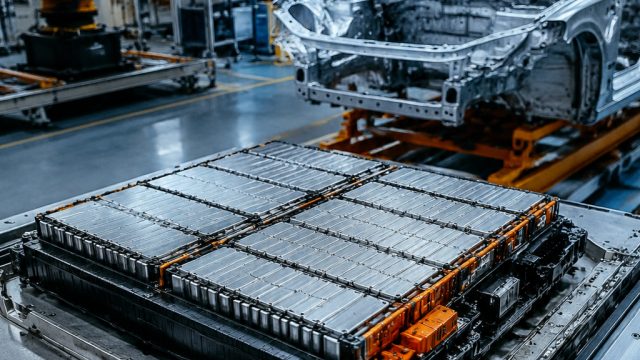
In a bold move that has captured the attention of the automotive industry, Slate recently announced a significant transition in its battery technology for their affordable electric truck. This decision reflects a growing trend toward innovation in the electric vehicle (EV) sector, as manufacturers strive to enhance performance while keeping costs manageable for consumers. But why is this change critical now?
The EV Market Landscape
The electric vehicle market is experiencing a tumultuous yet exciting evolution. As consumer demand for sustainable transportation options rises, companies are being pushed to innovate rapidly. Slate's decision to switch battery types comes at a pivotal moment when many are questioning the efficacy of traditional battery technologies versus new alternatives.
Challenges Facing EV Manufacturers
- Supply chain disruptions affecting battery materials.
- Increasing competition among EV manufacturers.
- Consumer demands for longer range and faster charging times.
- Environmental concerns surrounding battery production and disposal.
Why Slate Made the Change
Slate's leadership recognized the pressing need to adapt to these market dynamics. By switching to a different battery type, they aim to achieve multiple objectives: reduce costs, enhance efficiency, and improve vehicle range. This strategic move not only aims to keep their vehicles affordable but also seeks to establish a competitive edge in the crowded EV marketplace.
Understanding the New Battery Technology
The newly adopted battery technology promises several advantages:
- Improved Energy Density: This means longer driving ranges, which is crucial for consumer satisfaction.
- Reduced Production Costs: A more affordable battery design can lead to lower overall vehicle costs for consumers.
- Faster Charging Capabilities: Enhancements in charging speed could effectively reduce downtime, making EVs more convenient.
The Implications of the Change
As Slate embarks on this battery transformation, the implications are far-reaching. The choice to adopt newer battery technology is not just about improving their trucks; it's about influencing the entire EV industry.
Setting Industry Standards
Slate's initiative may set a new benchmark for what consumers can expect from affordable EVs. If successful, it could encourage other manufacturers to pivot towards similar technologies, fostering a rapid advancement in battery innovation across the board.
Consumer Reactions
Initial feedback from the community has been largely positive, with many consumers expressing excitement over the potential for longer ranges and quicker charge times. This enthusiasm highlights a growing trend among consumers who prioritize sustainability alongside performance.
Looking Ahead: What This Means for the Future
As Slate moves forward with its battery transition, the hope is that these advancements will lead to a more sustainable and accessible future for electric vehicles. However, achieving this will require continual innovation and responsiveness to consumer needs.
Anticipating Challenges Ahead
While the future looks promising, there are still hurdles to overcome:
- Ensuring a stable supply of necessary materials for battery production.
- Adapting manufacturing processes to accommodate the new technology.
- Educating consumers about the benefits of the new battery type.
Conclusion
Slate's decision to overhaul its battery technology heralds a new chapter in the realm of affordable electric vehicles. As the company navigates this transformative period, the outcomes of their innovations could reshape the market landscape, ultimately leading to enhanced options for consumers. Now is the time for manufacturers and consumers alike to pay attention to these developments, as they hold the potential to redefine the future of electric mobility.