
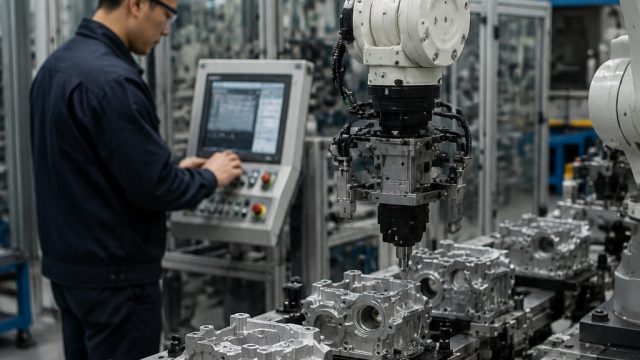
In a groundbreaking shift within the automotive supply chain, a long-standing supplier for Hyundai Motor Company has begun manufacturing advanced robotic legs. This transformation marks a significant evolution in their business model as they expand into the rapidly growing robotics industry. As traditional automotive manufacturing faces increasing competition and technological advancements, this pivot represents not only a remarkable innovation but also a critical response to market demands.
The Evolution of a Supplier
Founded over 60 years ago, this supplier has supplied components crucial for Hyundai's automotive manufacturing processes. With the automotive sector experiencing a drastic change due to electrification and automation, the need for diversification has never been more pressing. By venturing into robotics, the company aims to secure its position in a new market that promises substantial growth and opportunity.
Why Robotics?
The robotics industry is projected to reach $500 billion by 2025, driven by advancements in artificial intelligence and machine learning. Companies looking to thrive in this competitive landscape must innovate continuously. The decision to manufacture robotic legs aligns with current trends, as industries increasingly rely on automation to enhance productivity and efficiency.
Innovative Products Leading the Way
The robotic legs developed by this Hyundai supplier are designed for a variety of applications, from manufacturing to healthcare. Key features include:
- Adaptive Mobility: These robotic legs can navigate complex environments, enabling them to assist in diverse sectors.
- Smart Technology: Equipped with AI-driven software, they learn and adapt to user needs for improved performance.
- Durability: Made from high-strength materials, the legs are built to withstand harsh working conditions.
Such innovations not only highlight the company’s engineering prowess but also its commitment to addressing societal challenges through advanced technology.
Impact on Supply Chains
As the supplier shifts its focus towards robotics, the implications for supply chains in the automotive and robotics sectors are significant. This evolution reflects a broader trend of integration between various industries, where automotive suppliers are becoming key players in the technological landscape. By embracing robotics, they are not only enhancing their product offerings but also contributing to a more interconnected supply chain.
Challenges Ahead
Despite the promising outlook, the transition to robotics is not without challenges. The supplier faces competition from established robotics firms and must navigate the complexities of integrating new technologies into their existing operations. Additionally, workforce training will be essential to ensure that employees are equipped with the skills necessary to manage and maintain these advanced robotic systems.
The Future of the Company and the Industry
Looking ahead, the company’s venture into robotics signals a potential shift for many traditional automotive suppliers. As more businesses recognize the importance of diversification, we may see a wave of similar initiatives aimed at harnessing the potential of robotics and automation. This strategy not only helps companies mitigate risks associated with market fluctuations but also positions them as leaders in innovation and technology.
A Call to Action
As industries continue to evolve, staying informed about trends in robotics and automation will be vital for businesses and consumers alike. Those interested in engaging with cutting-edge technology should keep an eye on developments from suppliers like this Hyundai partner. With advancements like robotic legs on the horizon, the future of manufacturing and beyond is set to change dramatically.
Conclusion
The evolution of this 60-year Hyundai supplier into the robotics sector underscores a pivotal moment in manufacturing and technology. By embracing innovation and adapting to market demands, they are setting a precedent for others in the industry. As we witness this transformation, it becomes clear that the future of manufacturing is not just about machines; it's about integrating technology in ways that enhance our capabilities and improve lives.