
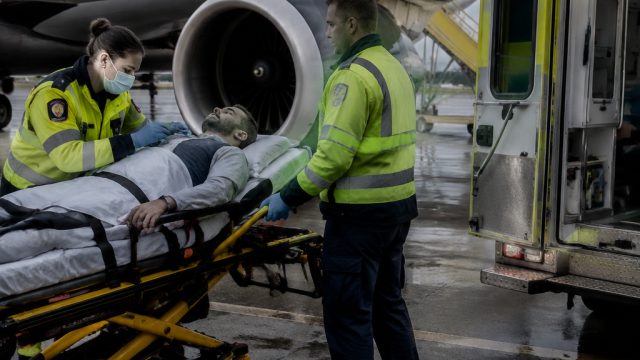
In a recent incident that underscores the importance of emergency preparedness in aviation, an Air Canada flight was diverted due to a medical issue involving the captain. The incident occurred on Flight AC7664, which was on its way from Newark, New Jersey, to Halifax, Nova Scotia. This event serves as a crucial reminder of the protocols in place to ensure passenger safety during unforeseen circumstances.
What Happened on Flight AC7664?
The flight, operated by regional partner PAL Airlines, was carrying 61 passengers when the captain experienced a sudden medical emergency. As per the airline’s safety protocols, the first officer took control of the aircraft and made the decision to divert to Boston. The aircraft landed safely, ensuring the well-being of everyone on board.
Immediate Response and Protocols
- Swift Decision-Making: Upon the captain's incident, the first officer acted promptly to divert the flight, showcasing effective decision-making under pressure.
- Safety First: The captain was safely removed from the flight deck in accordance with established safety protocols, ensuring that the aircraft could be operated without compromising passenger safety.
- Emergency Landing: The aircraft landed in Boston without any complications, thanks to the first officer's training and the supportive measures in place.
Understanding Pilot Training and Safety Measures
This incident highlights the robust training that commercial pilots undergo, which includes the ability to manage emergencies without additional assistance. Airlines invest heavily in training their personnel, enabling them to respond to medical emergencies effectively.
Key Aspects of Pilot Training
- Emergency Procedures: Pilots learn to handle various emergency scenarios, ensuring they can maintain control of the aircraft in critical situations.
- Team Coordination: Effective communication and teamwork among flight crew members are essential, especially during emergencies.
- Health Monitoring: Pilots are regularly monitored for health issues, and protocols are in place for immediate medical assessment if needed.
Passenger Safety in Aviation
Passenger safety remains the top priority for all airlines. The quick response to the medical emergency on Flight AC7664 is a testament to the comprehensive safety measures that airlines like Air Canada implement. Here are some key points about aviation safety:
How Airlines Ensure Safety
- Regular Training: Airlines conduct ongoing training for all crew members to keep them prepared for emergencies.
- Health Protocols: Health screenings and protocols are integral to ensuring the fitness of flight crew members.
- Emergency Equipment: Aircraft are equipped with necessary medical equipment to address passenger health issues during flights.
Conclusion: The Importance of Preparedness
The diversion of Flight AC7664 was a critical reminder of the vulnerabilities present in air travel and the importance of preparedness. Both the airline's solid emergency protocols and the first officer's capability to manage the situation without delay were pivotal in ensuring passenger safety. As air travel continues to grow, incidents like these reinforce the necessity for stringent safety measures and effective training protocols to address emergencies efficiently.