
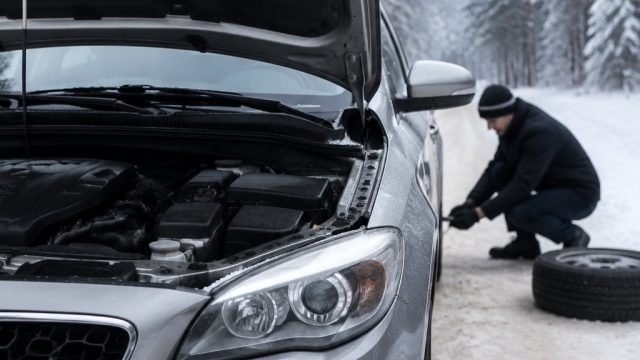
As the colder months approach, it becomes critical for drivers to ensure that their vehicles are equipped to handle winter conditions. Chilly temperatures, snow, and icy roads are not just an inconvenience; they can pose serious risks if your vehicle isn’t prepared. Follow these essential tips to keep your car running smoothly and safely throughout the winter season.
Why Winter Vehicle Preparation is Crucial
Winter weather can dramatically affect driving conditions. From blizzards to black ice, unexpected challenges can arise, making it vital to prioritize vehicle readiness. Proper preparation helps to mitigate risks and ensures that your vehicle can perform optimally, keeping you and your passengers safe.
Critical Components to Inspect
Before the first snowfall, focus on a thorough inspection of the following vehicle components:
- Tires: Ensure your tires have adequate tread depth and are suitable for winter conditions. Consider switching to winter tires for enhanced traction.
- Battery: Cold weather can reduce a battery's efficiency. Have your battery tested to confirm it's holding a charge effectively.
- Wipers and Fluids: Replace old wiper blades and fill windshield washer fluid with a winter-grade solution to ensure visibility.
- Brakes: Check your brakes for wear and ensure they are responsive to prevent accidents on slippery roads.
Understanding the Importance of Engine Components
The engine is the heart of your vehicle, and its components must be in top shape to tackle winter challenges. Neglecting engine maintenance can lead to breakdowns in harsh weather conditions. Consider the following:
Key Engine Components to Maintain
- Oil: Switch to a winter-grade engine oil that flows better in cold conditions, ensuring your engine starts smoothly.
- Coolant: Make sure your coolant mixture is appropriate for winter to prevent freezing and maintain optimal engine temperatures.
- Belts and Hoses: Inspect for any wear or cracks, as these can lead to failures during the cold months.
Enhancing Safety Features for Winter Driving
In addition to maintaining essential vehicle components, enhancing safety features is key to a secure winter driving experience. Consider the following adaptations:
Upgrading Your Vehicle's Safety Features
- Winter Emergency Kit: Equip your vehicle with a winter emergency kit that includes a flashlight, blankets, non-perishable snacks, and a first-aid kit.
- Advanced Driver Assistance Systems (ADAS): If available, use features like traction control and stability control to help maintain vehicle control on slippery surfaces.
- Navigation Systems: GPS systems can provide real-time updates on weather and road conditions, ensuring you take the safest routes.
Additionally, consider investing in mobile apps that keep you informed about road conditions and potential hazards, enhancing your situational awareness.
Conclusion
Preparing your vehicle for winter is not just a seasonal chore; it’s a critical step in ensuring your safety and reliability on the road. Regular maintenance and thoughtful upgrades can make a significant difference in how your vehicle performs in cold weather conditions. Don’t wait until the first snowfall hits; take proactive steps today to make sure your vehicle is ready. By doing so, you'll drive with confidence and peace of mind this winter season.