
Key Takeaways
- The Missouri Supreme Court unanimously halted the new congressional map.
- A statewide vote will decide the map's fate ahead of November elections.
- This ruling poses significant implications for the Republican Party's strategies.
- Public opinion will play a crucial role in the outcome of this decision.
- The elections may see heightened voter engagement and scrutiny.
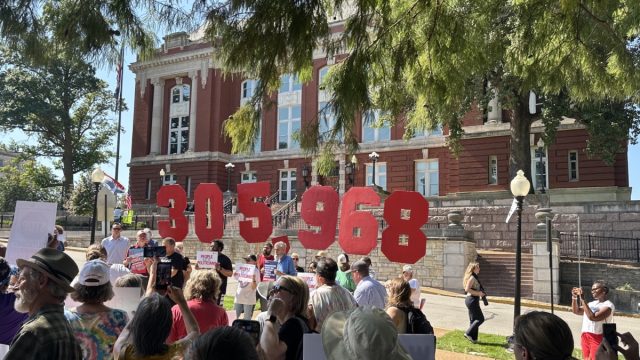
In a landmark ruling, the Missouri Supreme Court has taken a definitive stand against a congressional map that was heavily endorsed by former President Donald Trump. This significant legal development arose on September 2, 2023, when the court ruled unanimously to set aside the proposed district boundaries originally slated for usage in the 2024 elections. Instead, they called for a statewide referendum that will allow voters to weigh in on the map's legitimacy, directly affecting the political landscape in Missouri.
This ruling is particularly pertinent as it comes just weeks before the election, which is scheduled for November 2024. The court's decision reflects an increasing trend where judicial systems are stepping in to ensure electoral fairness, especially regarding gerrymandered maps that can skew representation heavily in favor of one political party over another. The proposed map was criticized for its potential to consolidate power among Republican candidates, directly influencing the balance of the U.S. House of Representatives.
Implications for Missouri's Political Climate
The implications of this decision resonate far beyond Missouri state borders; they could set a precedent for future electoral maps across the country. With the upcoming vote, Missouri becomes a focal point in the national discussion surrounding fair representation and the integrity of electoral processes. Voter engagement is expected to surge as citizens recognize the stakes involved in determining their congressional representation.
The Voter's Voice
With a public vote in sight, the Missouri electorate now has an opportunity to voice their opinions on the congressional map. This development could lead to a greater emphasis on voter education and participation. Notably, the outcome of this vote may empower voters to demand more transparency and fairness in future electoral processes.
The Response from Political Figures
Political leaders from both sides of the aisle are closely monitoring the situation. Republicans who supported the map have expressed disappointment and concern about the potential ramifications for their electoral strategies. Democrats, on the other hand, view this as a monumental victory for fair representation, hoping to galvanize support for their candidates in a traditionally Republican-dominated region.
Reactions from the Community
Community leaders and activists have praised the court's ruling, citing it as a necessary step towards ensuring that every vote carries equal weight. As community members begin to discuss the impending vote, forums and discussions are becoming increasingly popular, allowing citizens to voice their perspectives on what an equitable congressional map should look like.
Upcoming Challenges
Despite the positive response from the public, challenges lie ahead. The complexity of drawing fair congressional maps can lead to contentious debates about district boundaries, demographics, and political representation. Activists are already preparing for intense lobbying efforts to shape the narrative leading up to the vote, emphasizing the importance of fair representation for all Missouri citizens.
The Way Forward
As the November elections approach, the focus will shift toward voter mobilization and education regarding the implications of this congressional map vote. Engagement from various sectors, including local businesses, educational institutions, and community organizations, will be vital in ensuring that voters are informed and ready to participate.
In conclusion, the Missouri Supreme Court's recent ruling presents an opportunity for voters to reclaim their role in shaping the political landscape. The forthcoming referendum will not only determine the fate of the proposed congressional map but will also serve as a litmus test for the future of electoral justice in the United States.