
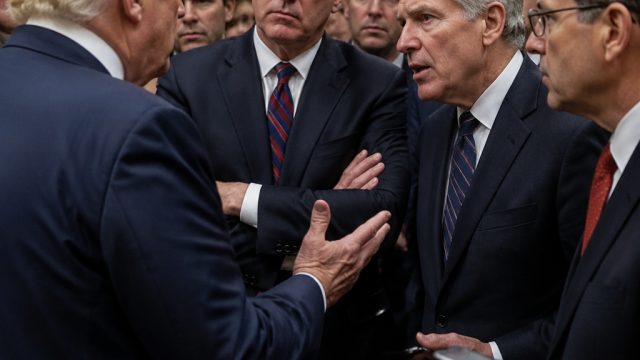
In a political climate marked by division, the recent Iran deal proposed by President Trump has ignited significant backlash from within his own party. With Republicans expressing rising discontent, it's crucial to analyze the implications of this discontent at a time when national security remains a pivotal issue.
Understanding the Core of Republican Dissent
The Iran agreement has long been a contentious topic, but the latest proposals have prompted rare public criticism from influential Republican leaders. As tensions escalate, many in the GOP are concerned that the concessions made could undermine the United States' strategic position in the Middle East.
Key Republican Voices
- Senate Majority Leader Mitch McConnell has publicly questioned the long-term viability of Trump's approach.
- Several committee chairpersons have echoed these sentiments, calling for a more robust strategy.
- Notably, past criticisms from former President Obama’s national security adviser Susan Rice emphasize the fragility of the proposed agreements.
The Potential Impact on National Security
This growing divide poses real questions about the future of U.S. foreign policy. With bipartisan agreement on the necessity of a strong stance against Iran, the current strategy may face challenges not only from opponents but from within the party itself.
Concerns Over Concessions
Republicans argue that the deal's concessions could lead to:
- An increase in Iran’s regional aggression.
- Weakened leverage for future negotiations.
- Greater instability in an already volatile region.
Looking Ahead: Implications for the 2024 Elections
The internal conflict among Republicans could shape the party's strategy leading up to the 2024 elections. As candidates emerge and positions solidify, how they address the Iran deal may become a defining issue. Candidates will need to navigate this minefield carefully to align with both party leaders and the grassroots.
Strategic Responses from the Republican Party
- Increased advocacy for tougher sanctions against Iran.
- Calls for a comprehensive review of the Iran deal's clauses.
- Mobilization of party resources to support candidates taking a hard-line stance.
Conclusion: A Critical Moment for U.S. Foreign Policy
The current dialogue surrounding Trump's Iran strategy is not merely a political issue; it carries significant weight for national security and international relations. As Republicans grapple with their internal disagreements, the ramifications of their decisions will undoubtedly shape the landscape of U.S. foreign policy for years to come. Staying informed and engaged in this ongoing debate is essential for anyone interested in the future of American diplomacy.