
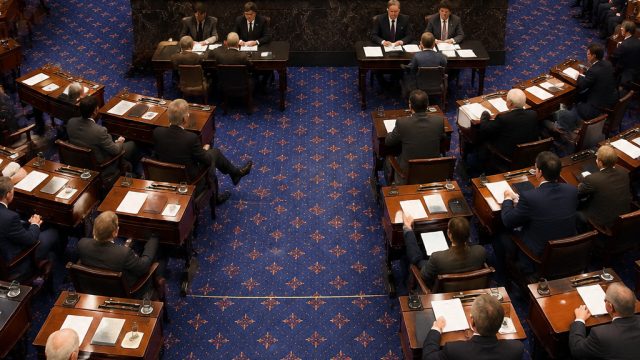
In a decisive move that underscores the evolving landscape of U.S. foreign policy, the Senate has passed a resolution aimed at limiting President Trump's military authority concerning Iran. This significant vote reflects growing bipartisan concerns surrounding unchecked military powers and the necessity for Congressional oversight in matters of war.
Understanding the Senate's Resolution
The resolution passed with a surprising level of support, signaling a rare rebuke to the President from members of both parties. The Senate's action is a response to increased tensions between the U.S. and Iran, particularly following recent military confrontations and escalated rhetoric.
Key Aspects of the Resolution
- Limiting Military Engagement: The resolution seeks to curtail the President's ability to engage in military action against Iran without Congressional approval.
- Bipartisan Support: The vote demonstrated a unified stance from both Democrats and a faction of Republicans, highlighting concerns over presidential overreach.
- Focus on Diplomacy: Lawmakers advocate for a diplomatic approach to resolving tensions, emphasizing negotiation over military intervention.
The Implications of This Decision
By voting to restrict military action in Iran, the Senate is not only redefining the parameters of U.S. foreign policy but also addressing the urgent need for accountability in military decisions. This could lead to a broader reconsideration of how the executive branch conducts foreign affairs.
Potential Consequences
The implications of this resolution extend beyond the immediate context of U.S.-Iran relations. Key consequences may include:
- Increased Congressional Oversight: Lawmakers may demand more involvement in military decisions, reshaping the balance of power between Congress and the President.
- Impact on Foreign Relations: The resolution may affect the U.S.'s standing in international negotiations, particularly in its interactions with Iran and its allies.
- Public Sentiment: Growing public support for limiting military engagements could influence future elections and policymaking.
Why This Matters Now
The timing of this resolution is particularly critical. With ongoing global tensions and the recent challenges posed by Iran’s actions, Congress is recognizing the need for a proactive stance on military engagement. The Senate's decision reflects a broader shift toward prioritizing dialogue and diplomacy over military action.
Calls for Renewed Focus on Diplomacy
As the Senate takes this step, there is an increasing call from various sectors, including foreign policy experts and advocacy groups, to emphasize diplomatic solutions. This resolution may pave the way for a more stable approach to international relations, particularly in the Middle East.
Conclusion
The Senate's recent resolution is a pivotal moment in the ongoing debate over military authority and foreign policy in the United States. By reasserting Congressional power and advocating for a shift towards diplomacy, the legislative body is addressing significant concerns regarding national security and international relations. This development not only shapes the current landscape but could have lasting effects on how the U.S. engages with the world moving forward.