
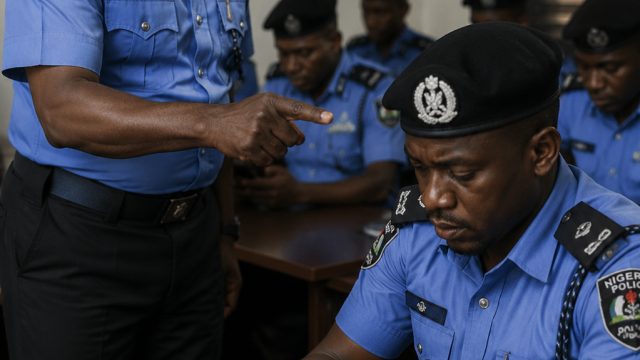
In a significant move aimed at maintaining professionalism and discipline within its ranks, the Inspector-General of Police in Nigeria, Tunji Disu, has instituted a ban on police officers from engaging in unauthorized social media activities. This directive, which surfaced in an internal circular dated June 22, 2026, has raised eyebrows and sparked discussions regarding the intersection of law enforcement and social media.
Understanding the Directive
The directive, labeled "Restricted — For Official Use Only," prohibits serving officers from using platforms like TikTok, Instagram, Facebook, and YouTube in ways that could identify them as members of the Nigeria Police Force. This initiative appears rooted in concerns about public perception and the need for officers to maintain a level of decorum that reflects the integrity of the force.
Why This Matters Now
As social media becomes an increasingly prevalent aspect of everyday life, its influence on public service fields, particularly law enforcement, cannot be overstated. The timing of this directive is critical, especially in light of recent events where police conduct on social media has drawn scrutiny and criticism. By restricting officers' social media interactions, the Nigerian Police aims to ensure that their members represent the force in a manner that aligns with its values and mission.
The Implications of the Ban
This new directive carries substantial implications for how the police interact with the community and presents challenges in terms of transparency and engagement. Some key points to consider include:
- Professional Image: The ban seeks to preserve the professional image of the police force, ensuring that officers do not engage in behavior that could tarnish their reputation.
- Public Trust: By controlling the narrative on social media, the police can potentially foster greater trust within the community, which is essential for effective policing.
- Crisis Management: This measure may serve as a proactive approach to handle potential crises, particularly in situations where officers' online behavior could lead to public outcry.
Challenges Ahead
While the intentions behind the directive may be well-meaning, several challenges may arise:
- Freedom of Expression: Officers may feel that their rights to express themselves are being infringed upon, leading to dissatisfaction within the ranks.
- Recruitment and Retention: Potential recruits may view this as a limitation on their ability to engage with modern communication methods, which could affect recruitment efforts.
- Adapting to Change: The police force will need to develop clear guidelines on what constitutes unauthorized use of social media to prevent misunderstandings and ensure compliance.
Community Reactions
The community's response to this directive has been mixed. Proponents argue that it is a necessary step toward maintaining law and order and ensuring that officers focus on their duties without distractions. Conversely, critics suggest that engaging with the public through social media can enhance community relations and allow officers to present a more relatable image.
Alternative Communication Channels
In light of these restrictions, the Nigerian Police may need to explore alternative avenues for communication with the public:
- Official Channels: Creating an official police presence on social media that is managed by the department can help keep the public informed without compromising individual officers.
- Community Engagement Programs: Conducting regular town hall meetings and community forums can foster dialogue and build trust.
- Transparent Policies: Developing transparent communication policies that outline acceptable online behavior for officers may aid in clarifying the expectations placed upon them.
Conclusion
The introduction of social media restrictions for officers of the Nigeria Police Force underscores the delicate balance between maintaining professional standards and embracing modern communication. As the debate continues, it will be essential for the police to consider the impact of this directive on officer morale, community trust, and overall operational effectiveness. With a thoughtful approach, the Nigerian Police can navigate this new landscape while upholding their commitment to serve and protect the public.