
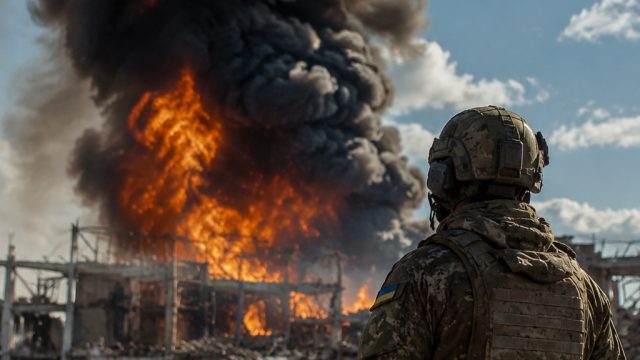
In an increasingly volatile geopolitical landscape, Ukraine's latest military maneuvers are not just tactical responses; they are significantly altering the cost calculations for Russia, thus testing the resolve of President Vladimir Putin. As the conflict escalates, the ramifications of these actions are resonating beyond the battlefield, affecting economic policies and public sentiments within Russia.
Understanding the Current Military Landscape
As Ukraine intensifies its offensive strategies, the implications for Russia are profound. The recent uptick in Ukrainian strikes on critical infrastructure has added layers of complexity to the ongoing conflict. This strategic approach not only seeks to weaken Russia's military capabilities but also aims to bring the war closer to Russian civilians, creating a heightened sense of urgency and concern.
The Impact of Infrastructure Targets
Ukrainian forces have increasingly focused on key Russian supply lines, resulting in significant disruptions. By targeting fuel depots and logistical hubs, Ukraine is aiming to:
- Reduce Russia's operational capacity
- Increase the cost of war for Russia
- Mobilize public opinion against the conflict within Russia
The consequences of these strikes are tangible; they exacerbate existing fuel shortages and create public discontent, making it increasingly difficult for the Russian government to maintain its narrative of military success.
Putin's Response and Domestic Implications
In response to the mounting pressures from Ukrainian offensives, the Kremlin has begun to reassess its strategies. Reports indicate potential bans on diesel exports and strategic shifts in resource allocations. The Russian government’s efforts to maintain control over the narrative are being challenged by the realities on the ground.
Public Sentiment and the Economy
As everyday life in Russia becomes more affected by the war, public sentiment is shifting. Increased fuel prices and reduced availability of essentials are beginning to stir unrest. The government’s reliance on a few strong narratives is being undermined by the practical experiences of its citizens.
Ukraine's Strategic Gains: A Broader Implication for Geopolitics
Ukraine's ability to raise costs for Russia serves not just as a military tactic but as a strategic leverage point in broader international negotiations. As other nations observe the unfolding situation, the dynamics of geopolitical alliances are also being reshaped.
International Response and Support for Ukraine
In light of Ukraine's ongoing challenges and successes, Western nations are reevaluating their military and economic support for the country. Enhancements in military aid and strategic resources are critical as Ukraine continues to confront Russian aggression head-on:
- Increased military supplies from NATO countries
- Economic sanctions against Russia from various nations
- Strengthened diplomatic support for Ukraine's sovereignty
This international backing not only aids Ukraine militarily but also plays a significant role in shaping the global narrative surrounding the conflict.
Conclusion: The Stakes are Rising
The ongoing conflict between Ukraine and Russia is entering a new phase marked by escalating costs and strategic implications. As Ukraine raises the stakes for Russia, the global landscape continues to shift. With public sentiment in Russia becoming increasingly volatile, the ramifications of Ukraine's military strategy extend far beyond the battlefield, influencing economics, politics, and international relations.
As we watch these developments unfold, it is essential to remain informed about the evolving situation, acknowledging that each military action has far-reaching consequences.