
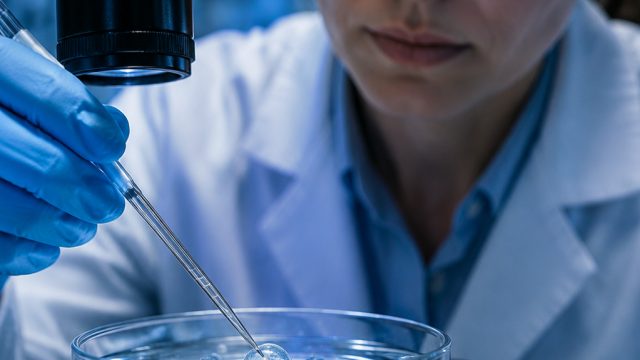
The rapidly evolving field of embryo editing has recently gained significant attention, especially with the emergence of innovative technology aimed at addressing genetic disorders. Start-up companies like Preventive and Origin Genomics are pioneering efforts to merge gene editing with in vitro fertilization (IVF) methods. This growing trend holds promising potential for correcting disease-causing mutations before birth, but it also raises important ethical and practical considerations that need to be addressed without delay.
Understanding Embryo Editing and Its Benefits
Embryo editing involves altering the genetic material of embryos to prevent hereditary diseases from being passed on to future generations. With advancements in CRISPR technology, the possibilities of gene editing have expanded, allowing for precise modifications of DNA sequences. The implications of this technology are profound, as it could potentially eradicate certain genetic disorders.
The Role of IVF in Gene Editing
In vitro fertilization is a key component of the embryo editing process. This technique not only allows for the selection of healthy embryos but also provides a framework for the application of gene editing techniques. During IVF, embryos are created in a lab setting, granting scientists the ability to analyze and modify their genetic make-up before implantation.
Potential Benefits for Genetic Health
- Reduction of Genetic Disorders: By correcting mutations at the embryonic stage, the prevalence of conditions such as cystic fibrosis or Huntington's disease could be significantly reduced.
- Improved Quality of Life: Individuals born without these genetic conditions can lead healthier and more fulfilling lives.
- Generational Impact: The benefits of embryo editing can extend through generations, reducing the genetic burden on future families.
Current Developments in the Field
As companies like Preventive and Origin Genomics push boundaries in embryo editing, the healthcare community is watching closely. These companies are not only focusing on the technical aspects but also on the ethical implications of their work. Advocacy groups representing individuals with genetic disorders have remained relatively silent, highlighting a need for dialogue as these technologies advance.
Ethical Considerations
Despite the promising future of embryo editing, ethical concerns abound. Key questions arise regarding:
- Access and Inequality: Will these advanced treatments be accessible to all, or only to a privileged few?
- Regulation and Oversight: How will governments and regulatory bodies ensure the safe implementation of embryo editing practices?
- Long-term Effects: What are the potential long-term impacts of altering genetic material?
The Need for Advocacy and Public Engagement
As we move closer to a future where embryo editing becomes commonplace, it's essential that advocacy groups take an active role in shaping the conversation. Ensuring that all voices, especially those of those living with genetic disorders, are included in discussions about embryo editing is crucial. Transparency in research and development, along with public engagement, can help foster a balanced approach to this technology.
Ways to Get Involved
Individuals interested in the ethical implementation of genetic technology can consider the following:
- Stay Informed: Follow developments in genetic editing and engage with reputable sources.
- Participate in Discussions: Join forums and discussions that focus on the ethics of genetic health.
- Advocate for Regulation: Support policies that promote ethical standards in genetic editing practices.
Conclusion: A Balancing Act for the Future
The advancements in embryo editing technologies present a unique opportunity to improve genetic health. However, as we stand on the brink of these transformative possibilities, we must tread carefully. Engaging in open dialogues about the ethical, practical, and societal implications of such technology is essential. By fostering a collaborative environment that includes diverse perspectives, we can ensure that the future of genetic health is both innovative and equitable.