
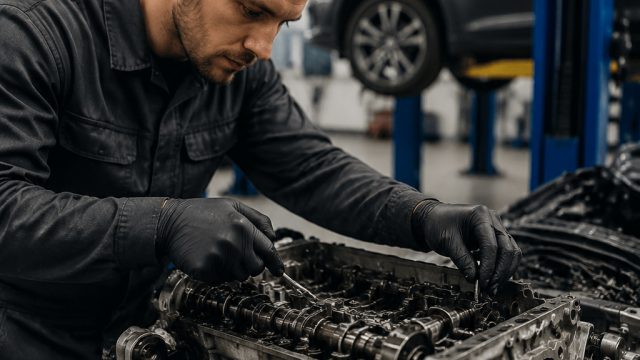
The aerospace and automotive industries are facing a critical challenge: the increasing bottlenecks in Maintenance, Repair, and Overhaul (MRO) operations for engines. With the rise in demand for reliable and timely engine services, companies must actively seek innovative solutions to improve efficiency and streamline operations. The urgency of this situation cannot be overstated, as delays in engine maintenance can lead to significant operational setbacks and increased costs.
Understanding the Current Engine MRO Landscape
The engine MRO sector has encountered unprecedented strains, exacerbated by factors such as supply chain disruptions, a shortage of skilled technicians, and the rapid pace of technological advancements. Industry experts have noted that these challenges have not only affected the availability of parts but also the overall service timelines. For instance, companies like Arwana89 are finding it increasingly difficult to activate their service capabilities, a situation that jeopardizes their competitive edge.
Supply Chain Disruptions
Recent global events have highlighted vulnerabilities within supply chains. The automotive sector, already reeling from previous disruptions, finds itself grappling with delays in acquiring essential engine components. This issue affects not only the manufacturers but also end-users who rely on consistent engine performance. Companies need to develop resilient supply chain strategies that can adapt to changing circumstances.
The Role of Technology in Mitigating Bottlenecks
Innovation plays a crucial part in addressing these MRO challenges. Adoption of advanced technologies such as predictive analytics, which can anticipate maintenance needs before they arise, is essential. Additionally, integrating platforms for parts procurement can streamline the process, ensuring that necessary components are available when needed. Companies must also focus on training and developing their workforce to operate these advanced technologies effectively.
Operational Efficiency: Key to Overcoming Challenges
Improving operational efficiency is at the heart of resolving MRO bottlenecks. Companies must assess their current processes and identify areas for improvement. Here are some effective strategies:
- Process Optimization: Regularly review and refine maintenance procedures to eliminate redundancies.
- Collaboration: Foster partnerships with suppliers and other industry players to share resources and knowledge.
- Investment in Training: Equip staff with the latest skills to handle advanced maintenance techniques and tools.
Building a Skilled Workforce
Essential to overcoming MRO bottlenecks is cultivating a skilled workforce. As organizations like QQBet77 face challenges in finding qualified technicians, it becomes crucial to invest in training programs that enhance the skills of existing employees while attracting new talent. Implementing apprenticeship and mentorship schemes can bridge the skills gap in the industry.
The Future of Engine MRO: Trends and Insights
Looking ahead, the future of engine MRO will likely be shaped by several emerging trends. It is essential for businesses to stay ahead of these developments:
- Increased Automation: More tasks will be handled by automated systems, reducing human error and improving efficiency.
- Data-Driven Decision Making: Leveraging big data analytics will enable better forecasting and resource allocation.
- Focus on Sustainability: Eco-friendly practices in maintenance and repair processes will become increasingly important.
Embracing Innovation
As companies adopt these trends, they must also embrace a culture of continuous improvement. This approach will ensure they remain competitive and capable of meeting the ever-evolving demands of the automotive market. Companies should also be proactive in seeking solutions, such as partnerships with tech firms, to enhance their MRO capabilities.
Conclusion: Taking Action Now
The engine MRO landscape is at a pivotal point, and action is needed now to alleviate the pressures currently facing the industry. By understanding the challenges, investing in technology and workforce training, and optimizing operational processes, companies can position themselves for success in a competitive environment. For automotive businesses looking to enhance their engine maintenance strategies, the time to act is now. With the right approach, firms can not only overcome existing bottlenecks but also thrive in a rapidly changing industry.