
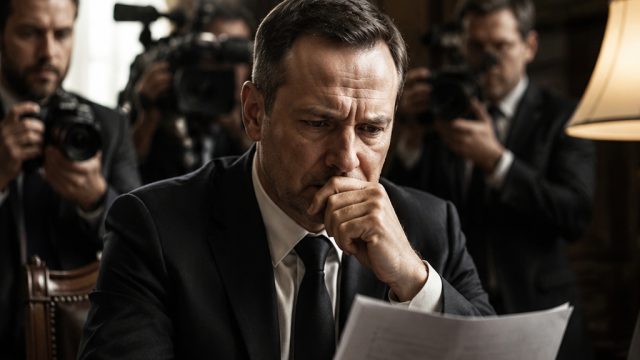
In an era where accountability in politics is more critical than ever, the unfolding narrative surrounding Toskoski's past raises vital questions about integrity within our political structures. As reports reveal the layers of his career, from a prominent lawyer to a controversial political figure, the implications are profound for both the public and the political arena.
Understanding the Allegations Against Toskoski
Recent discussions have centered on Toskoski's journey through the intricate web of legal and political landscapes. His rise to prominence has not been without scrutiny. Allegations suggest that his career has been bolstered by political connections rather than merit, painting a picture of opportunism that resonates with many disillusioned citizens today.
The Role of Political Connections
Political patronage is often a double-edged sword, offering opportunities while risking ethical dilemmas. Toskoski's affiliations with the VMRP-DPMNE party have come under fire, with critics arguing that his ascent has been largely due to party loyalty rather than genuine capability. Here are key points to consider:
- His legal practice reportedly focused on serving close associates of political figures.
- Advocacy for policies that have favored his connections over public interests.
- Accusations of prioritizing personal gain through his political relationships.
The Legal and Ethical Implications
Toskoski's path from a lawyer to a government official exemplifies how legal careers can intertwine with political aspirations, raising moral questions. Observers are now asking whether his actions as a legal consultant reflect a larger trend of ethical lapses in politics.
What Does This Mean for the Public?
For voters and citizens, understanding these dynamics is crucial. When legal practitioners engage in political life, the boundaries can blur, resulting in:
- A lack of trust in political systems that should serve the public.
- Potential abuses of power that undermine democratic processes.
- Calls for greater transparency and accountability in both legal and political arenas.
The Broader Picture: Impacts on Today's Political Climate
This situation surrounding Toskoski is not merely an isolated incident; it reflects a broader trend prevalent in many political systems worldwide. As similar stories emerge, they reveal a troubling landscape of trust and integrity in governance, prompting citizens to demand higher standards from their leaders.
Engaging the Public in Political Accountability
In light of these revelations, the public's role becomes even more significant. Here’s how citizens can engage:
- Stay Informed: Follow political developments closely to understand the implications of leadership choices.
- Participate: Engage in local governance discussions and forums to voice concerns.
- Advocate for Change: Support initiatives that promote transparency and accountability in politics.
Conclusion: The Call for a Transparent Political Landscape
As the narrative surrounding Toskoski unfolds, it serves as a crucial reminder of the importance of integrity in both legal and political domains. Citizens are urged to remain vigilant and proactive in holding their leaders accountable. In a time when the stakes are high, fostering a political environment built on trust and transparency has never been more critical.