
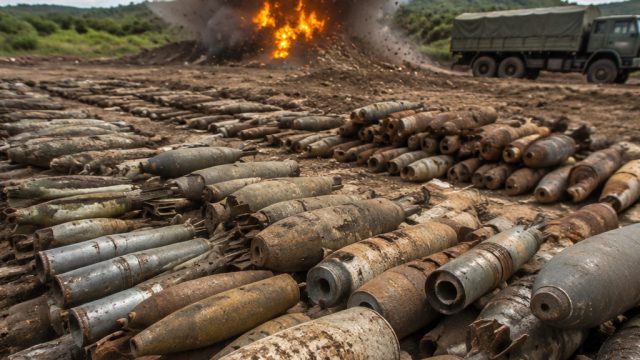
In a significant operation that underscores both safety and historical responsibility, two chemical grenades from World War I were successfully destroyed at the Krivolak military range. Conducted by the Directorate for Protection and Rescue (DZR), this operation not only highlights the ongoing efforts to mitigate historical dangers but also serves as a reminder of the potential threats posed by unexploded ordnance.
The Significance of Safe Destruction
The safe destruction of these grenades is an important milestone in the realm of public safety and environmental protection. Chemical weapons, especially those dating back to the First World War, can pose serious health risks if not handled properly. DZR's pyrotechnician, Gjorgji Stefanov, stated that an uncontrolled explosion could lead to catastrophic consequences for nearby residents and the environment.
Understanding the Risks
- Toxic Exposure: Chemical agents from old munitions can persist in the environment, posing risks to human health.
- Uncontrolled Detonation: The instability of such munitions can lead to accidental explosions, endangering lives.
- Environmental Impact: Improper disposal can lead to long-lasting damage to local ecosystems.
Historical Context of Chemical Warfare
World War I marked a pivotal moment in military history, introducing chemical weapons on a large scale. The use of these weapons led to devastating impacts on soldiers and civilians alike, resulting in a legacy that continues to affect the way military operations are conducted today. The destruction of remnants from this period is vital for both historical acknowledgment and community safety.
Current Efforts in Munitions Disposal
The operation at Krivolak is part of a broader initiative by the DZR to systematically address and eliminate hazardous munitions remaining from past conflicts. With numerous sites across the region still holding unexploded ordnance, the importance of these missions cannot be overstated.
Strategies for Safe Disposal
- Technological Advancements: Utilizing modern technology and techniques to assess and neutralize threats effectively.
- Public Awareness Campaigns: Educating communities about the risks associated with unexploded munitions.
- International Cooperation: Collaborating with global organizations to enhance safety protocols and disposal methods.
The Community's Role in Safety
As the DZR continues its important work, community involvement plays a crucial role in ensuring safety. Residents are encouraged to report any suspicious findings related to old munitions and to stay informed about safety protocols during disposal operations. Engaging the public fosters a safer environment and promotes historical awareness.
How to Report Suspicious Ordnance
- Contact Local Authorities: Immediately report any findings to local law enforcement or emergency services.
- Stay Informed: Follow local news and official announcements regarding munitions disposal operations.
Conclusion: A Safe Future through Historical Awareness
The recent destruction of World War I chemical grenades at the Krivolak military range serves as a reminder of the past and the ongoing efforts required to ensure public safety. By recognizing the risks associated with historical munitions and actively participating in community safety measures, we can foster a safer future for generations to come. As more operations like this take place, it is essential to remain vigilant and informed, contributing to a collective effort in addressing these remnants of conflict.