
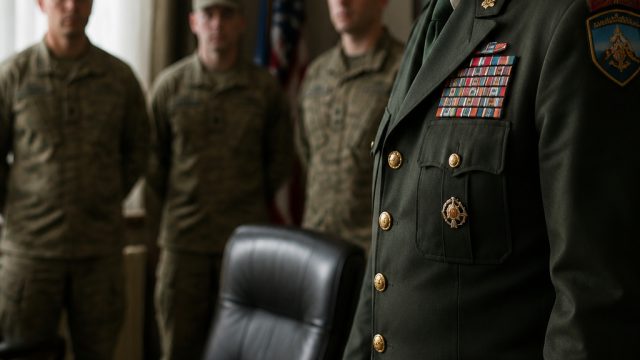
The recent announcement regarding the retirement of General Chris Donahue, a prominent figure in the U.S. Army, has sent ripples through the military community. This significant change comes at a time when the Army is facing numerous challenges, both domestically and abroad. As the last U.S. soldier to leave Afghanistan, General Donahue's departure marks the end of an era and raises critical questions about the future of Army leadership amidst ongoing global threats.
The Significance of General Donahue's Tenure
General Donahue's career has been closely watched, particularly due to his high-profile role in the Afghanistan withdrawal. His leadership style and decision-making have been pivotal in shaping the Army's current operational strategies. Understanding the impact of his departure requires a closer look at his contributions:
- Strategic Leadership: Donahue’s approach emphasized adaptability, a trait increasingly necessary in modern combat scenarios.
- Experience in Combat Zones: With extensive experience in both Europe and Africa, he brought a diverse perspective to military operations.
- Focus on Troop Welfare: His commitment to soldiers' well-being fostered trust and morale within the ranks.
Challenges Facing the Army Today
The Army is currently navigating a complex global landscape. With increasing geopolitical tensions and evolving warfare techniques, the leadership vacuum left by General Donahue cannot be understated. Key challenges include:
- Adapting to Cyber Warfare: As threats evolve, military strategies must incorporate technology and cybersecurity.
- Recruitment and Retention: With younger generations seeking different career paths, the Army must attract and retain talent effectively.
- Global Military Presence: Balancing commitments in various regions while ensuring domestic security remains a priority.
Implications for Future Leadership
With the retirement of General Donahue, a critical question arises: who will fill the leadership void? The Pentagon faces the task of selecting successors who can steer the Army through turbulent times. The criteria for new leaders will likely focus on:
- Proven operational experience in diverse environments.
- A robust understanding of international relations and diplomacy.
- Strong communication skills to engage with both military personnel and the public.
The Importance of Succession Planning
Effective succession planning is vital to maintaining stability within the Army. The military must ensure that leaders are prepared to address emerging threats and adapt to new challenges. Possible strategies include:
- Mentorship Programs: Pairing experienced leaders with younger officers can help transfer knowledge and skills.
- Leadership Training: Investing in training programs to cultivate leadership qualities among junior officers.
- Encouraging Innovation: Fostering a culture of innovation can help leaders tackle unforeseen challenges more effectively.
Conclusion
The retirement of General Chris Donahue is not just a personnel change; it signifies a pivotal moment for the U.S. Army. As the military grapples with both internal and external pressures, the transition to new leadership will play a crucial role in shaping its future. Stakeholders within the military and the public must stay informed about these developments, as they will directly impact the Army's ability to address modern challenges and fulfill its mission. As we look ahead, the emphasis on strong, adaptable leadership will be essential for the Army to maintain its standing as a leading global military force.