
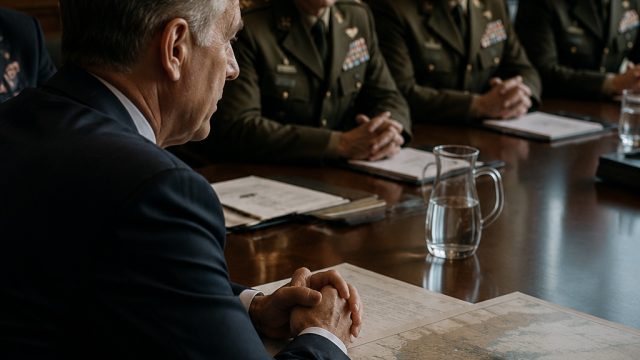
In the evolving landscape of global politics, Australia finds itself at a critical juncture regarding national security. As tensions rise with certain nations, particularly Iran, the Australian government is under increasing pressure to ensure the safety of its citizens. The conversation surrounding national security is no longer just a topic for policymakers; it has become a matter of public concern that calls for immediate attention and action.
Understanding the Current Threat Landscape
The recent discourse around national security has been fueled by alarming statements from key officials. Mike Burgess, the head of Australia’s domestic intelligence agency, expressed grave concerns about the potential threats posed by foreign entities. His warnings about targeted actions against Australians highlight a troubling reality that is hard to ignore.
Key Concerns from Security Officials
- Increased Surveillance: With rising threats, the government is expected to ramp up surveillance measures to monitor potential risks.
- High-Profile Targets: Officials have noted that both prominent figures and everyday citizens may be at risk.
- Foreign Interference: There is growing anxiety about interference from hostile nations seeking to harm Australians.
The Role of Government in Public Safety
As scrutiny over returning individuals intensifies, the government’s role in managing national security is more crucial than ever. The Home Affairs Minister has pointed to heightened scrutiny of individuals previously subject to exclusion orders, ensuring that returning citizens are monitored appropriately. This move raises significant questions about civil liberties and the balance between security and personal freedom.
Government Actions and Public Response
The government's approach will likely include:
- Implementing stricter protocols for monitoring returning citizens.
- Engaging in transparent communication with the public about security measures.
- Fostering community awareness regarding the importance of vigilance in national security.
The Impact of National Security Threats on Everyday Life
For many Australians, the implications of heightened security protocols resonate deeply. An awareness of the potential for foreign threats can foster a climate of anxiety, influencing daily life and societal interactions. Citizens are increasingly called upon to participate in national security through reporting suspicious activities and understanding the broader geopolitical context.
Community Engagement in Security Awareness
Effective national security is often a community effort. Here are ways in which Australians can contribute:
- Stay Informed: Regular updates from reliable news sources can empower citizens to remain vigilant.
- Report Concerns: Encourage the public to report any suspicious behavior to local authorities.
- Participate in Community Programs: Engaging in local initiatives focused on security can build a stronger, more resilient community.
Conclusion: Navigating a Complex Security Environment
As Australia navigates through this complex security environment, it becomes apparent that the collective responsibility for maintaining safety falls not just on government shoulders but on all citizens. The discussion around national security, while sobering, is essential in fostering a proactive and informed society. Understanding the challenges and actively participating in the conversation will be critical as the nation confronts the realities of a world where threats can emerge from unexpected places.