
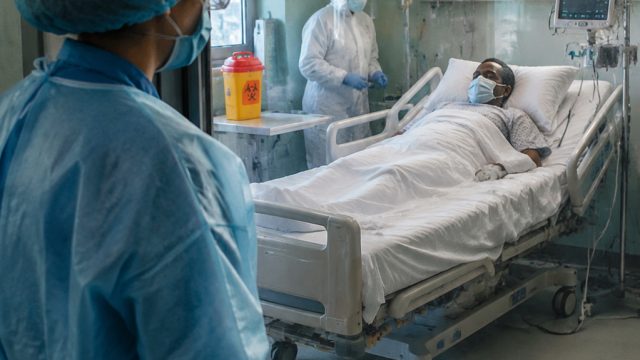
In a concerning development, France has confirmed its first case of Ebola, linked to a healthcare worker who recently returned from the Democratic Republic of the Congo (DRC). This news arrives as the DRC sees a significant spike in Ebola cases, prompting international health officials to raise alarms about the potential for the outbreak to spread beyond its borders.
Understanding the Current Outbreak
As reported by various health agencies, the ongoing Ebola outbreak in the DRC has become one of the fastest-growing in the region's history. The World Health Organization (WHO) has emphasized the urgency of the situation, with over 1,000 cases reported in recent months. The increase in infections highlights the ongoing challenges faced by health systems in managing outbreaks and the necessity for international cooperation.
The Link to France
The individual diagnosed in France was working in a medical facility treating Ebola patients in the DRC. Upon returning home, they exhibited symptoms consistent with the virus, leading to immediate testing and confirmation. Health authorities in France have initiated protocols to trace any contacts the patient may have had, emphasizing the importance of rapid response in containing the disease.
Why This Matters Now
The emergence of Ebola cases in non-endemic countries serves as a crucial reminder of the global interconnectedness regarding health threats. With travel becoming increasingly frequent, the potential for outbreaks to transcend borders is high, making it imperative for all nations to remain vigilant. Here are key reasons why this situation demands attention:
- Public Health Concerns: The resurgence of diseases like Ebola underscores the need for robust public health infrastructure and disease preparedness. Nations must ensure they are equipped to handle potential outbreaks.
- Global Response Coordination: Collaborative efforts are essential to manage health risks effectively. Sharing data and resources can help mitigate the spread of infectious diseases.
- Travel Precautions: As international travel resumes, individuals should be informed about health advisories and take necessary precautions when visiting areas experiencing outbreaks.
Preventative Measures and Responses
In light of the new case, health officials in France and across Europe are reinforcing preventive measures to safeguard public health. Some of these include:
- Increased surveillance at airports and border crossings.
- Mandatory reporting and monitoring of travelers returning from outbreak zones.
- Public awareness campaigns to educate citizens on recognizing symptoms and seeking timely medical attention.
Conclusion: Staying Informed
As the situation evolves, it is vital for the public to stay informed through reliable sources. The implications of an Ebola case in France highlight the importance of global vigilance in health matters. By understanding the risks and the measures being implemented, individuals can contribute to a safer environment. Health authorities will continue to monitor the situation closely, and updates will be provided to ensure the public is well-informed.
For comprehensive information and updates on public health issues, it’s crucial to follow developments from trusted health organizations and local news outlets.