
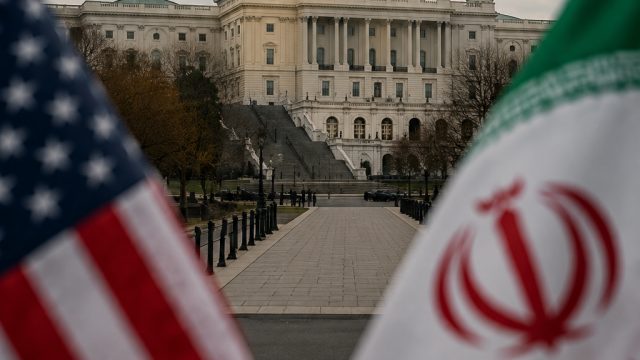
In a surprising turn of events, the U.S. Senate has recalibrated its stance regarding former President Donald Trump's approach to Iran. This recent legislative action not only illustrates the continuing evolution of American foreign policy but also highlights a significant shift in the political dynamic surrounding military engagements in the Middle East.
The Recent Senate Vote: A Turning Point
Just days ago, the Senate held a heated debate regarding a resolution that challenged Trump’s authority to engage in military action against Iran without congressional approval. Initially, this resolution was perceived as a sharp rebuke against Trump’s foreign policy strategies. However, following intense negotiations and discussions, Senate Republicans appeared to have softened their stance, leading to a reversal that welcomed Trump's negotiations with Iran.
Key Details of the Resolution
- Initial Opposition: Four Republican senators broke ranks during the initial vote, demonstrating a significant dissent within the party.
- Change in Sentiments: Following closed-door discussions, many senators re-evaluated their positions, leading to a more unified front in favor of Trump's approach.
- Impact on Military Engagement: The resolution seeks to restrict unilateral actions by the president regarding military operations, aiming to reinforce congressional oversight.
Why This Matters Now
The shift in the Senate’s stance is particularly significant as U.S.-Iran relations remain tenuous. With ongoing discussions about nuclear agreements and regional stability, this political maneuvering could have far-reaching implications. The current administration's approach to Iran not only affects bilateral relations but also the broader Middle Eastern geopolitical landscape. Understanding these developments is crucial for anyone following international relations and security policies.
The Broader Implications for U.S. Foreign Policy
What does this mean for the future of U.S. foreign policy regarding Iran? Here are some key takeaways:
- Potential for Renewed Diplomacy: Trump's willingness to engage in talks may lead to new diplomatic avenues that could stabilize the region.
- Congressional Oversight: Increased oversight could prevent hasty military decisions that might escalate conflicts.
- Political Unity: A unified stance on foreign policy could strengthen the U.S.'s negotiating position on the global stage.
Political Reactions and Future Outlook
The political landscape is often unpredictable, and reactions to this Senate vote have been mixed. While some see this as a victory for bipartisan diplomacy, others caution against relying too heavily on a former president's strategies. Analysts suggest that the current administration will need to carefully navigate these shifting dynamics to maintain both domestic support and international credibility.
Responses from Various Political Figures
Notable figures within the Senate have expressed their views:
- Proponents of the Decision: Some senators argue that supporting Trump's negotiations could lead to a more stable and peaceful Middle East.
- Critics of the Shift: Others believe this approach undermines legislative authority and could lead to reckless military engagements.
Conclusion: A Crucial Moment for U.S.-Iran Relations
The recent Senate vote represents a critical juncture in U.S.-Iran relations, suggesting a cautious yet hopeful approach to diplomacy. As the geopolitical landscape continues to evolve, the implications of this decision will resonate far beyond the walls of the Senate. For those invested in the future of U.S. foreign policy, staying informed about these developments is essential.
In conclusion, as the Senate navigates its role in foreign engagements, the next steps in U.S.-Iran relations will be closely watched by both political analysts and international observers alike. The current trajectory suggests a shift toward more collaborative approaches, which may redefine America's role in the Middle East for years to come.