
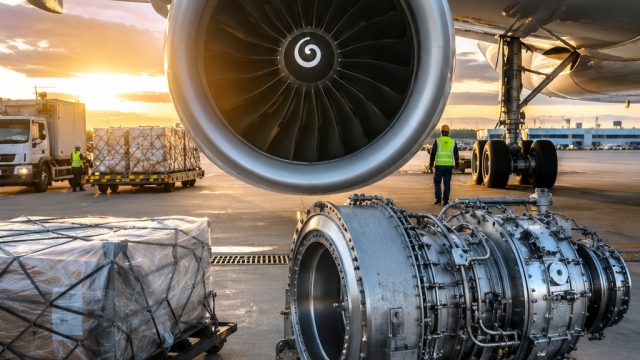
The aviation industry is at a crossroads, facing mounting pressure to adopt more sustainable practices. As we navigate the complexities of climate change and environmental responsibility, companies like Gardner Aerospace are leading the charge with innovative supply chain transformations. This timely article delves into what these changes mean for the future of aviation and why stakeholders should pay attention now more than ever.
The Urgency of Sustainability in Aviation
With the aviation sector accounting for a significant portion of global greenhouse gas emissions, the push for sustainability has never been more pressing. Governments, consumers, and investors are increasingly demanding that companies adopt environmentally friendly practices. This shift not only helps combat climate change but also addresses the growing public concern regarding the environmental impact of air travel.
Current Trends Driving Change
- Regulatory Pressures: Governments worldwide are implementing stricter regulations on emissions, pushing airlines and manufacturers to innovate.
- Technological Advances: New technologies can optimize fuel efficiency and reduce waste, making sustainable practices more accessible.
- Consumer Expectations: Today’s travelers prefer eco-conscious airlines, making sustainability a competitive advantage.
Gardner Aerospace's Initiative for Change
Gardner Aerospace stands out as a pioneer in transforming its supply chain to emphasize sustainability. By leveraging technology and innovative practices, the company is reshaping the aviation supply chain landscape to minimize environmental impact while maximizing efficiency.
Key Strategies Implemented
To drive sustainable transformation, Gardner Aerospace has adopted several key strategies:
- Digital Transformation: Utilizing data analytics and digital tools to streamline operations and reduce waste.
- Eco-Friendly Materials: Sourcing sustainable materials for production to lower the carbon footprint.
- Collaborative Efforts: Partnering with suppliers who share a commitment to sustainability.
Impact of Supply Chain Transformation
The changes being made by Gardner Aerospace are not just beneficial for the environment; they also have significant economic implications. By improving efficiency and cutting costs, the company positions itself as a leader in the market while contributing to global sustainability goals.
Benefits of a Sustainable Supply Chain
- Cost Reduction: Streamlined operations lead to lower costs and improved profit margins.
- Enhanced Brand Image: Companies committed to sustainability attract more customers, driving demand.
- Regulatory Compliance: Adopting sustainable practices ensures compliance with current and future regulations.
The Path Forward for Aviation
As the aviation sector continues to evolve, the importance of sustainable supply chains will only grow. Companies that prioritize sustainability will not only lead the way in innovation but also secure their place in a rapidly changing market. Gardner Aerospace’s initiatives offer a roadmap for the industry, demonstrating that sustainability and profitability can go hand in hand.
Conclusion
In conclusion, the transformation of supply chains towards sustainability is critical for the future of the aviation industry. As organizations like Gardner Aerospace implement innovative strategies, they pave the way for a more eco-conscious aviation sector. Stakeholders must pay attention to these changes now, as they will define the aviation landscape of tomorrow.