
After a six-week period of isolation, the quarantine for 18 American passengers who were exposed to hantavirus on a cruise ship has officially ended. The end of this quarantine not only brings relief to the affected individuals but also raises critical discussions on public health safety protocols, especially concerning viral outbreaks on cruise ships. In this article, we will explore what transpired during the quarantine, the lessons learned, and how this situation highlights the ongoing need for vigilance in public health.
The Journey of Quarantine
The quarantine took place in Nebraska, where the passengers were monitored after being potentially exposed to hantavirus on a cruise that docked in the U.S. The decision to quarantine was made as a precautionary measure, given the virus's severe implications if transmitted. Authorities closely observed the passengers, ensuring they received necessary medical attention while simultaneously gathering data on the potential transmission dynamics of hantavirus.
What is Hantavirus?
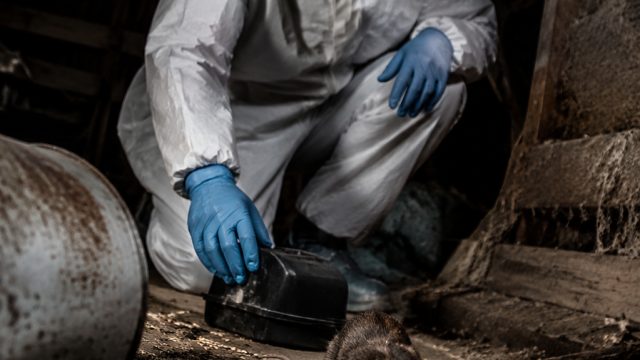
Hantavirus is a potentially lethal virus primarily spread through rodent droppings, urine, or saliva. It can also be transmitted by inhaling particles that become airborne when such materials are disturbed. While cases are relatively rare in the U.S., the potential for severe respiratory illness makes it critical for health officials to act swiftly when exposures are identified.
Health Protocols During Quarantine
- Regular health check-ups were conducted to monitor for any symptoms.
- Passengers were provided with mental health support to cope with the stress of isolation.
- Educational resources were made available to inform them about hantavirus and its effects.
The Aftermath: What We Learned
As the quarantine concludes, several key insights have emerged regarding the management of viral outbreaks on cruise ships:
Understanding the Risks
This situation sheds light on the importance of understanding the risks associated with traveling on cruise ships, particularly in light of viral outbreaks. Each vessel is a confined space where viruses can spread quickly, making preventive measures crucial.
Importance of Public Health Response
Timely and efficient public health responses can significantly mitigate the impact of potential outbreaks. The collaboration between health authorities, the cruise line, and local health departments was essential in managing this incident effectively, ensuring that those affected received appropriate care while safeguarding public health.
Looking Ahead: Preventive Measures for Future Outbreaks
As cruising resumes amid various public health challenges, implementing robust preventive measures is vital. Here are some strategies that can enhance health safety on cruise ships:
- Enhanced Sanitation Protocols: Regular and thorough cleaning of public spaces to reduce the risk of virus transmission.
- Health Screening Processes: Ensuring thorough health screenings of passengers before embarkation.
- Education and Awareness: Continuous education campaigns to inform passengers about hygiene practices and potential health risks.
Vigilance is Key
The conclusion of this quarantine serves as a reminder of the importance of vigilance in public health. Passengers and crew alike must stay informed and proactive regarding health measures to prevent future outbreaks. The cruise industry has a responsibility to ensure the safety of their guests while promoting public health.
Conclusion
The end of the hantavirus quarantine marks a significant moment in managing health risks associated with cruise travels. While the affected individuals are now free, the lessons learned during this period will undoubtedly shape future health policies and protocols in the industry. As we move forward, ensuring safety and preparedness will be paramount to fostering confidence in travel, especially in cruise experiences.