
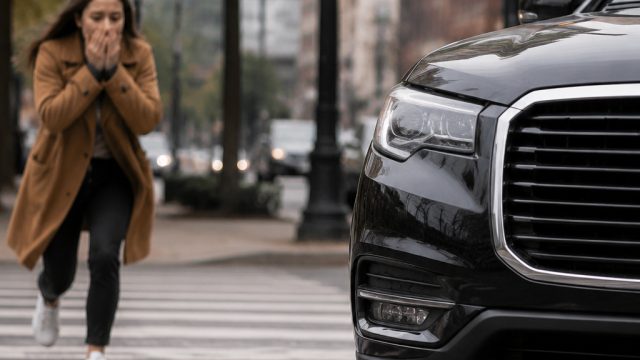
The United States is witnessing an alarming trend as pedestrian deaths have surged, reversing a years-long decline. This uptick in fatalities coincides with the increasing height and size of vehicles on the road. This article delves into the reasons behind this troubling phenomenon and the urgent need for change.
The Dangerous Rise of Taller Vehicles
In recent years, the automotive industry has shifted towards producing larger vehicles, such as SUVs and trucks. While these vehicles offer various advantages, including better visibility and perceived safety for occupants, they present a significant risk to pedestrians.
How Vehicle Size Affects Pedestrian Safety
- Increased Impact Force: Taller vehicles generate a greater impact force during collisions, often leading to more severe injuries or fatalities for pedestrians.
- Reduced Visibility: The height of larger vehicles can obstruct drivers' views, making it more difficult to spot pedestrians, especially children or individuals with disabilities.
- Distracted Driving: In a fast-paced world, distractions from smartphones and other devices further complicate pedestrian safety, particularly for larger vehicles.
The Statistics Tell a Stark Story
According to the National Highway Traffic Safety Administration (NHTSA), pedestrian fatalities have risen by nearly 50% over the last decade. This surge underscores the urgent need for both drivers and manufacturers to prioritize safety:
- In 2022, more than 7,300 pedestrians lost their lives in traffic incidents.
- Children are particularly vulnerable; a rise in pedestrian fatalities among youth has been noted.
- Regions with increased SUV ownership report higher pedestrian death rates.
What Can Be Done?
Addressing this issue requires a multifaceted approach involving vehicle manufacturers, policymakers, and the public. Here are some immediate actions that can be taken:
- Enhanced Vehicle Design: Manufacturers should focus on creating designs that protect pedestrians, such as lower front bumpers and improved visibility features.
- Urban Planning: Cities must invest in better infrastructure, including wider sidewalks, pedestrian zones, and improved crosswalks.
- Public Awareness Campaigns: Educating drivers about pedestrian rights and safety can significantly reduce accidents.
Why This Issue Matters Now
The rise in pedestrian fatalities is not just a statistic; it reflects broader societal issues, including urbanization, vehicle design trends, and public safety priorities. As more people return to walking as a sustainable mode of transport, it's essential to ensure their safety:
- COVID-19 Pandemic Impact: With more people opting for walking or biking during the pandemic, the demand for safer pedestrian environments has never been higher.
- Legislative Actions: There is a growing push for legislative changes to enhance pedestrian safety, emphasizing the need for public support.
- Community Engagement: Local communities can advocate for safer road conditions and demand accountability from both drivers and manufacturers.
Conclusion
The intersection of vehicle design and pedestrian safety is a critical issue that requires immediate attention and action. As the automotive landscape evolves, so too must our commitment to ensuring that everyone on the road, especially our most vulnerable citizens, can navigate safely. By championing safer vehicle designs, advocating for better urban planning, and raising public awareness, we can turn the tide on this unsettling trend and protect lives.