
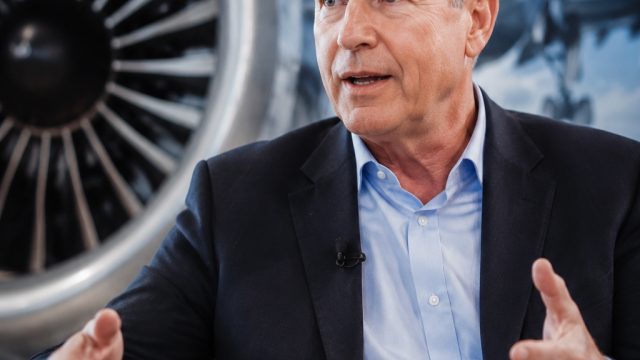
The aviation industry stands at a critical juncture, facing unprecedented challenges and opportunities. As we gear up for the changes expected by 2026, IATA’s Director of Flight and Operations, Stuart Fox, shares invaluable insights that could shape the future of air travel.
Understanding the Current Landscape
In recent years, the air travel sector has undergone significant transformations driven by technological advancements and shifting consumer expectations. According to Fox, these changes are not just reactive but are setting the stage for a more sustainable and efficient future in aviation.
Technological Innovations Driving Change
- Digitalization: Airlines are increasingly leveraging digital platforms to enhance operational efficiency and customer engagement.
- Automation: The implementation of automated systems is revolutionizing everything from check-in to baggage handling.
- Sustainability Initiatives: There is a strong push towards greener technologies, including sustainable aviation fuels and electric aircraft.
The Role of Regulatory Bodies
With the rapid evolution of air travel, regulatory bodies play a crucial role in ensuring safety and efficiency. Fox emphasized that collaboration between airlines and these regulatory agencies is paramount. This cooperation fosters an environment where innovative solutions can be tested and implemented without compromising safety.
Key Areas of Focus for Regulators
- Safety Standards: Enhancing safety protocols to keep pace with technological advancements.
- Environmental Regulations: Establishing guidelines that encourage sustainable practices across the industry.
- Passenger Rights: Ensuring that travelers are protected and informed about their rights, especially in the face of disruptions.
Consumer Expectations and the Future of Travel
As travel resumes worldwide, consumer expectations are evolving. Passengers desire a seamless travel experience, from booking to arrival. Fox asserts that airlines must not only meet these expectations but anticipate them to remain competitive.
Enhancing the Passenger Experience
- Personalization: Using data analytics to offer tailored travel recommendations and services.
- Improved Communication: Keeping passengers informed throughout their journey to reduce anxiety and enhance satisfaction.
- Streamlined Processes: Simplifying check-in and security procedures to expedite travel.
Challenges Ahead and Strategic Responses
Despite the optimistic outlook, the industry faces several challenges, including rising operational costs and fluctuating demand. Fox highlighted the importance of strategic planning and flexibility for airlines to adapt to these changing conditions.
Strategies for Resilience
- Cost Management: Airlines need to identify areas to cut costs without sacrificing quality, such as optimizing fuel use.
- Flexible Operations: Adapting schedules and routes based on real-time demand data.
- Partnerships and Alliances: Collaborating with other carriers and industries to create a more robust service network.
Conclusion: Preparing for 2026 and Beyond
Stuart Fox's insights underscore the critical need for the aviation industry to innovate and adapt to the evolving landscape of air travel. As we approach 2026, stakeholders must focus on collaboration, consumer satisfaction, and sustainability to navigate the future successfully. With strategic planning and a commitment to excellence, the industry can emerge stronger than ever, ready to meet the demands of travelers worldwide.