
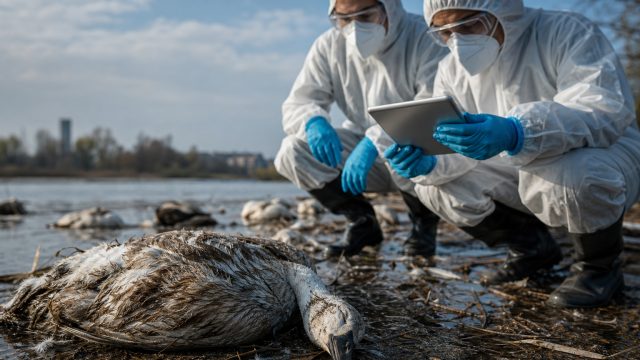
Recent reports confirm that the H5N1 bird flu virus has been detected in South Australia, sparking concerns over public health and the wildlife population across the region. This discovery follows the death of a migratory seabird, specifically a southern giant petrel, which tested positive for the virus. As the number of confirmed cases rises, authorities urge vigilance and preparedness.
Understanding Bird Flu: What Is H5N1?
The H5N1 strain of bird flu is a highly pathogenic avian influenza virus known for its lethal nature, especially among bird populations. While its primary impact is on wildlife, the potential for transmission to humans presents a serious public health risk. The current situation highlights the importance of monitoring and managing wildlife health to prevent outbreaks.
The Current Situation in Australia
As of now, South Australia has confirmed its first case of H5N1 following the death of a seabird. Additionally, there is a suspected case in Western Australia, which, if confirmed, would increase the total to four known cases across the country. Such developments necessitate immediate action from health officials to minimize the risk of further spread.
Why This Matters Now
The emergence of H5N1 in Australia is particularly alarming given the interconnectedness of wildlife health and human safety. Migratory birds often travel long distances, and with them, they can carry viruses across borders. This phenomenon underscores the need for heightened surveillance and rapid response capabilities in wildlife management and public health systems.
Impact on Public Health and Safety
- Potential for Human Infection: Though rare, H5N1 can infect humans, especially those with close contact with infected birds.
- Monitoring and Testing: Increased wildlife monitoring is crucial to detect and control any potential outbreaks.
- Community Awareness: Public health campaigns are essential to inform communities about preventive measures.
Strategies for Prevention and Response
Authorities are implementing a series of measures to address the situation:
- Surveillance and Reporting: Enhanced surveillance of avian populations to identify and report cases rapidly.
- Public Education: Informing the public about the risks associated with handling wild birds and the importance of reporting sick or dead birds.
- Collaboration: Working closely with wildlife organizations and environmental agencies to manage the impact on ecosystems.
The Role of Communities
Local communities play a vital role in the response to bird flu cases. Here are ways individuals can help:
- Report unusual bird behavior or deaths to local wildlife authorities.
- Participate in community education initiatives about wildlife health.
- Follow guidelines from health officials regarding interactions with wildlife.
Conclusion
The confirmation of bird flu cases in Australia is a wake-up call for both public health officials and the community. With the potential for H5N1 to affect not only bird populations but also human health, it is crucial to stay informed and engaged. By understanding the risks and taking proactive steps, we can help protect ourselves and the wildlife that enriches our environment. The road ahead will require vigilance, collaboration, and a commitment to safeguarding health across the board.