
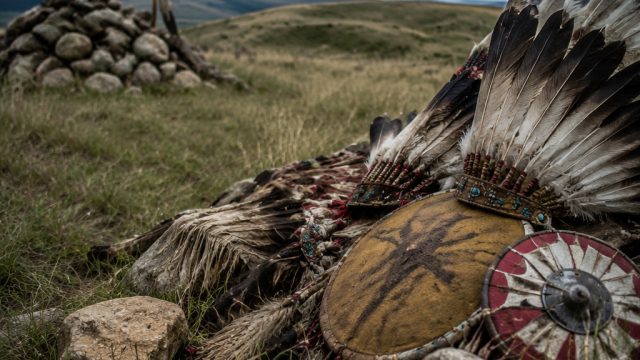
As we mark a century and a half since the infamous Battle of Little Bighorn, the events of June 1876 continue to captivate historians and enthusiasts alike. This pivotal confrontation between General George Armstrong Custer’s forces and the united Lakota Sioux and Northern Cheyenne tribes remains a subject of intense scrutiny and debate. What led to this dramatic clash, and why does it still hold such significance today?
Understanding the Context of the Battle
The Battle of Little Bighorn was not merely a singular event; it was the culmination of escalating tensions between Native American tribes and the United States government. In the years leading up to the battle, the discovery of gold in the Black Hills led to a surge of miners and settlers encroaching on sacred lands, igniting conflict. This struggle over territory, rights, and resources set the stage for the tragic showdown that would ensue.
The Prelude to War
- The U.S. government’s failure to honor treaties with Native tribes.
- The influx of settlers following the gold rush, violating tribal lands.
- Growing unrest and military presence in the region.
Deciphering the Day of the Battle
On June 25, 1876, Custer divided his forces into three battalions in an attempt to surround the encampment of Lakota and Cheyenne warriors. However, underestimating the size and resolve of the Native coalition, Custer’s tactics fell dramatically short. The warriors, led by figures such as Crazy Horse and Sitting Bull, mounted a fierce defense, leading to a devastating defeat for Custer and his men.
Key Factors in the Lakota Sioux Victory
The following elements played a crucial role in the unexpected outcome of the battle:
- Superior Numbers: Contrary to Custer's assumptions, the Native forces were significantly larger than anticipated.
- Strategic Advantages: The Lakota and Cheyenne utilized their knowledge of the terrain, employing advantageous positions against the U.S. troops.
- Unified Resistance: The collaboration between different tribes, highlighted by a strong leadership structure, bolstered their defense.
The Lasting Legacy of the Little Bighorn
The ramifications of the Battle of Little Bighorn extend far beyond the battlefield itself. It marked a turning point in the U.S. government's approach to Native American relations, leading to increased military actions and the marginalization of indigenous cultures. Moreover, the perceptions of this battle have evolved, influencing popular culture, historical narratives, and discussions surrounding Native rights.
Modern Interpretations and Cultural Impact
- Historical Narratives: The interpretation of the battle has undergone significant changes, with a growing emphasis on Native perspectives.
- Cultural Remembrance: Events commemorating the battle serve as reminders of the resilience of Native communities and the continuing struggle for recognition and rights.
- Media Representation: The Battle of Little Bighorn has been depicted in various forms of media, shaping public understanding and interest in indigenous histories.
Conclusion: Why the Little Bighorn Matters Today
The Battle of Little Bighorn is more than a historical event; it encapsulates a significant moment in American history that highlights the complexities of cultural interactions and conflicts. As we reflect on this battle, we gain insights not only into the past but also into ongoing discussions about identity, sovereignty, and the importance of honoring history. Understanding this critical event fosters a deeper appreciation for the narratives that shape our present and future, ensuring that the lessons learned are neither forgotten nor ignored.