
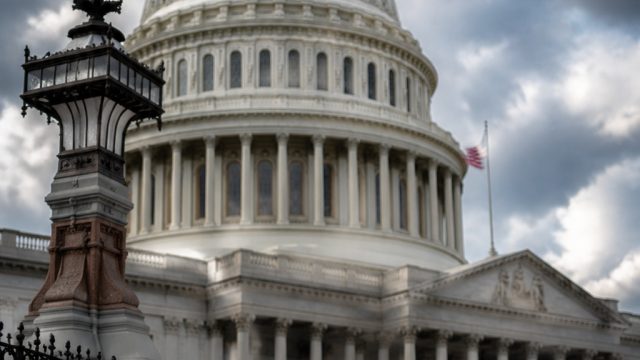
In a significant turn of events, the U.S. Senate has passed a resolution urging President Biden to halt military operations against Iran. This decision, which is gaining traction in the current political climate, reflects a growing sentiment among lawmakers to reassess America's military posture in the Middle East. As tensions rise and conflict seems imminent, this resolution is an urgent matter that demands attention and analysis.
The Context of the Resolution
On Tuesday, the Senate approved the war powers resolution that had already seen support from the House of Representatives. This legislative movement marks a historical moment in U.S. foreign policy, as it emphasizes the necessity for legislative approval before military engagement can ensue. The backdrop of this resolution is framed by escalating conflicts in the region, the ever-volatile relationship with Iran, and a broader desire for diplomatic resolutions instead of military responses.
Background on U.S.-Iran Relations
The history of U.S.-Iran relations has been fraught with tension, shaped by decades of geopolitical strife. The fallout from the 1979 Iranian Revolution, ongoing nuclear negotiations, and various military actions have soured relations.
- 1979 Iranian Revolution: Instigated a long-standing enmity between both nations.
- Nuclear Negotiations: Continuous disputes over Iran’s nuclear program.
- Military Engagements: Various skirmishes that have escalated tensions further.
Implications of the Senate's Decision
By passing this resolution, the Senate is not just acting within its constitutional rights; it is also sending a powerful message regarding the need for diplomatic approaches over military ones. This movement is particularly relevant now as global dynamics shift, and many nations call for peaceful resolutions rather than military confrontations.
Global Reactions
International responses to the Senate's decision have varied widely. Some allies applaud the U.S.'s push for peace, while adversaries may interpret it as a sign of weakness. The ongoing discussions and implications of this resolution could influence future engagements in the region.
- Support from Allies: Many NATO and EU partners see it as a step towards de-escalation.
- Critical Voices: Some argue that inaction could embolden Iran's aggressive posture.
Why This Matters Now
As we witness heightened military tensions globally, the Senate's resolution emerges at a pivotal moment. The decision not only influences U.S. military strategies but also reshapes the perceptions of global audiences toward American interventionism.
The urgency surrounding the resolution stems from a need to adapt to evolving geopolitical landscapes. As countries grapple with the implications of military spending and deployment, the discussions occurring in Washington resonate on multiple levels.
Potential Outcomes
The ramifications of this resolution extend beyond immediate military strategies. Several potential outcomes could follow:
- Increased Diplomatic Engagement: A renewed focus on negotiations with Iran.
- Legislative Challenges: Future administrations may face pushback if military action is proposed without Congressional approval.
- Global Stability: A shift towards cooperation rather than confrontation.
Conclusion
The U.S. Senate's recent resolution to curb military operations against Iran marks a turning point in American foreign policy. As legislators take a stand against potential military engagement, it invites broader discussions about diplomacy and peace. Understanding the implications of this resolution is crucial not only for U.S. citizens but for global stakeholders watching the evolving dynamics of international relations. The call for peaceful solutions over military interventions has never been more relevant, making this legislative act resonate well beyond the halls of Congress.