
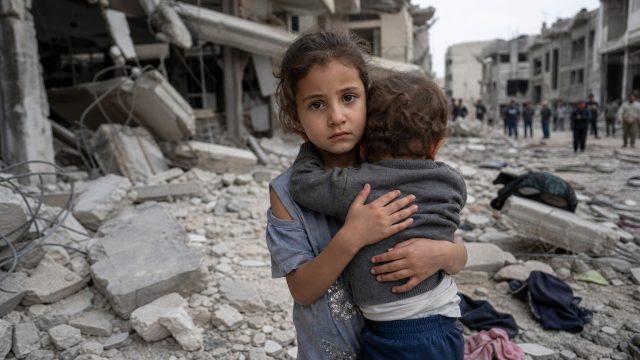
In light of recent reports from international bodies, the focus on protecting children in conflict zones has reached a critical juncture. The UN Independent International Commission of Inquiry's latest findings highlight the alarming trend of intentionally targeting children during armed conflicts, notably in regions like Gaza. As tensions escalate, the urgency for global awareness and action has never been more vital.
The Gravity of the Situation
The confirmation by the UN Commission that children are deliberately targeted in conflict areas raises serious ethical and humanitarian concerns. These findings underscore a broader issue of child safety in war-torn regions, with implications that extend far beyond immediate physical harm. The psychological impact on children exposed to violence can have lasting effects, shaping their futures in detrimental ways.
Understanding the Impacts on Children
- Physical Harm: The immediate threat of injury or death is a stark reality for many children in conflict zones.
- Psycho-Social Effects: Exposure to violence can lead to PTSD, anxiety, and other mental health disorders.
- Disruption of Education: Armed conflicts often lead to school closures and increased dropout rates.
- Forced Migration: Many children are displaced, losing their homes and family stability.
International Response and Accountability
The reports have prompted calls for accountability and stronger protective measures for children. The international community, including governments and NGOs, must respond decisively to these findings. Initiatives aimed at protecting children during armed conflicts are crucial in establishing norms and ensuring compliance from conflicting parties.
The Role of Global Advocacy
- Raise Awareness: Increased visibility can lead to greater advocacy for children's rights in conflict areas.
- Support Humanitarian Efforts: Donations and support for organizations working in these regions can make a significant impact.
- Policy Change: Advocating for legislative measures that prioritize children's safety in conflict is essential.
Future Outlook: Making a Difference
As the world witnesses these alarming trends, the responsibility falls on all of us to push for change. The current situation is not just a political issue; it is a moral one that requires an urgent response. Engaging with local and international organizations, participating in advocacy campaigns, and educating others about the plight of children in conflict zones are all ways individuals can contribute to a solution.
How You Can Help
- Educate Yourself and Others: Learning about the realities of conflict zones can fuel advocacy efforts.
- Volunteer: Many organizations welcome volunteers who can assist in various capacities.
- Participate in Fundraisers: Help raise money for charities dedicated to children affected by war.
- Engage with Policymakers: Advocate for legislation that protects children in conflict areas.
Conclusion
The targeting of children in conflicts, as highlighted by the UN Commission, is a pressing issue that demands immediate attention and action. As global citizens, we have the power to drive change and protect the most vulnerable among us. It is crucial that the voices advocating for children's safety in conflict zones are amplified, ensuring they are heard loud and clear in the halls of power. Together, we can make a difference, one child at a time.