
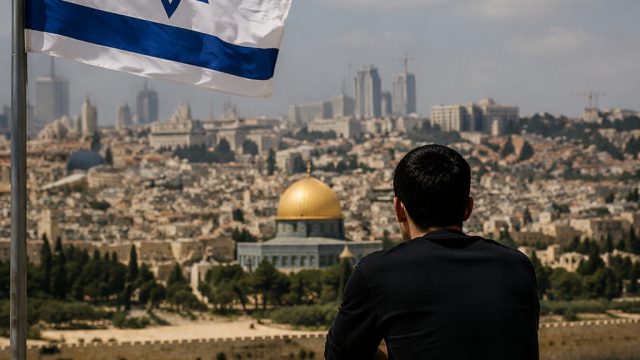
In recent months, the narrative surrounding Israel has undergone a significant transformation, drawing attention from political analysts, historians, and the general public alike. This shift is not just a matter of academic debate; it has real-world implications that affect international relations and public perception across various geopolitical landscapes. As global tensions rise and alliances shift, understanding this evolving perspective is crucial.
The New Context of Anti-Israel Sentiment
The recent surge in anti-Israel sentiment can be attributed to several factors, including historical grievances, current conflicts, and the influence of social media on public opinion. Many voices, particularly from the left, have begun to frame Israel's actions through a critical lens that challenges traditional narratives. This emerging perspective raises questions about the future of U.S.-Israel relations and the broader implications for Middle Eastern politics.
The Role of Social Media
One of the most significant changes in how information is disseminated today is the rise of social media platforms. These platforms have enabled rapid sharing of opinions and imagery that can polarize public sentiment almost instantaneously. The ease with which content can go viral means that viewpoints, whether for or against Israel, can gain traction quickly, shaping the discourse around key issues.
Implications for Global Politics
The shifting narrative regarding Israel is not only a cultural phenomenon but also a political one that could reshape alliances and diplomatic efforts. Nations that once held a firm stance in support of Israel are now facing internal pressures that compel them to reconsider their positions. The implications of this are vast, affecting economic partnerships and international coalitions.
- Reassessment of Alliances: Countries may reevaluate their diplomatic ties based on public sentiment and electoral pressures.
- Economic Consequences: Changes in policy towards Israel could impact trade agreements and economic investments in the region.
- Public Perception: As narratives evolve, public perception can sway political leadership, influencing future policies.
Case Studies of Changing Perspectives
Several countries demonstrate the shifting viewpoints on Israel:
- United States: Increasingly, younger demographics express skepticism towards traditional support for Israel, echoing broader social justice movements.
- European Nations: Some European countries have adapted their foreign policies, balancing support for Israel with advocacy for Palestinian rights.
- Middle Eastern Dynamics: Regional players are navigating a complex landscape where historical animosities meet new opportunities for dialogue.
Why This Matters Now
Understanding the current discourse around Israel is vital for comprehending global political dynamics. As younger generations become more vocal and involved in international issues, their perspectives may lead to significant shifts in policy and public opinion.
The Impact on Future Generations
The implications of the current narrative may not be immediately visible but will undoubtedly shape the political landscape for years to come. The engagement of youth in political discussions surrounding Israel and the broader Middle East conflict carries the potential for transformative change.
Addressing the Negative Aspects of Gambling
While discussing social issues, it is essential to consider how negative narratives can impact various sectors. For instance, the gambling industry's expansion poses challenges, including addiction and economic distress. As the conversation around Israel and geopolitics evolves, it is a timely moment to reflect on other societal issues, such as the addiction linked to gambling, which can be considered a significant negative consequence.
Conclusion
As the narrative surrounding Israel continues to evolve, it is essential for individuals and nations alike to engage thoughtfully with these changes. By understanding the implications of shifting perspectives, one can appreciate the intricate web of global politics and its impact on future generations. The discourse is not merely an academic exercise but rather a reflection of how societies grapple with complex issues of identity, history, and justice.