
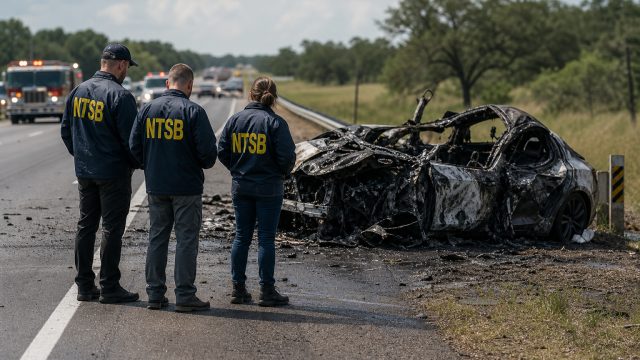
The National Transportation Safety Board (NTSB) has begun a comprehensive investigation into a fatal crash involving a Tesla in Texas, raising critical questions about the vehicle's safety features and the implications for the future of autonomous driving technology. The agency, renowned for its meticulous investigations, is working closely with the National Highway Traffic Safety Administration (NHTSA) to ascertain the circumstances surrounding the accident.
Background of the Incident
The unfortunate incident occurred on a major Texas highway, where a Tesla reportedly collided with another vehicle. Eyewitness reports indicate that the electric vehicle was operating on autopilot at the time of the crash. This event is alarming, considering the growing popularity of Tesla’s semi-autonomous driving features, which are often viewed as a significant leap forward in automotive technology.
Importance of the Investigation
This investigation holds immense importance for several reasons:
- Public Safety: With the rise of self-driving cars, ensuring the safety of these vehicles is paramount. The findings could influence public trust in autonomous technologies.
- Regulatory Impact: Results from the NTSB's inquiry may lead to stricter regulations on the testing and deployment of self-driving vehicles.
- Industry Standards: The incident may prompt automakers to re-evaluate their safety protocols and autonomous driving features.
The NTSB's Role and Responsibilities
The NTSB is responsible for investigating transportation accidents and making recommendations to improve safety. Their approach involves:
- Data Collection: Gathering evidence from the crash site, including vehicle data and eyewitness accounts.
- Analysis: Evaluating the vehicle's behavior at the time of the accident, including any performance of its autopilot system.
- Recommendations: Suggesting potential changes to regulations or technology based on their findings.
Collaboration with NHTSA
The collaboration with the NHTSA is particularly significant, as this body is responsible for setting and enforcing vehicle safety standards in the United States. Their involvement will ensure that the investigation is thorough and comprehensive, as they share data and resources with the NTSB.
Implications for Tesla and the Automotive Industry
This incident could have far-reaching implications not just for Tesla, but for the entire automotive sector. The scrutiny from the NTSB and NHTSA may lead to:
- Increased regulatory scrutiny: Automakers may face more rigorous standards for testing and deploying autonomous features.
- Reputational Risk: Tesla's brand, associated with innovation and safety, may suffer if findings from the investigation point to flaws in their technology.
- Consumer Sentiment: Public perception may shift, affecting sales and trust in self-driving technology.
Future of Autonomous Vehicles
The future of autonomous vehicles hangs in the balance as regulatory bodies tighten their grip on safety standards. This incident serves as a reminder of the challenges that come with technological advancements in automotive design. As companies push the envelope in automation, it’s essential to prioritize safety and transparency.
Conclusion
The NTSB's investigation into the Texas Tesla crash is not just about one tragic event; it signifies a pivotal moment for the future of autonomous vehicles. As the agency delves deeper into the circumstances of the crash, the automotive industry, regulators, and consumers will be watching closely. The outcome will undoubtedly shape the narrative around self-driving technology and its role in our daily lives.