
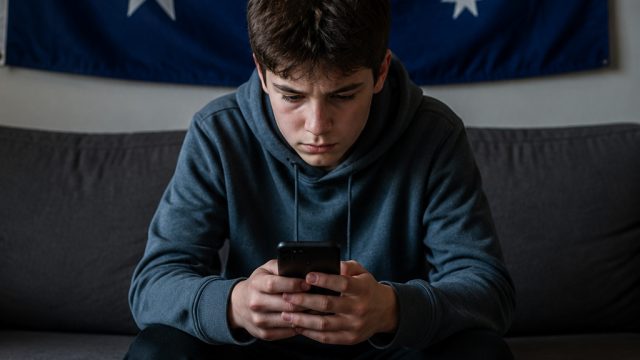
In December 2025, Australia made headlines by becoming the first nation to enforce a ban on social media accounts for individuals under the age of 16. The legislation aimed to protect minors from harmful online content and reduce their exposure to potential risks associated with social media usage. However, recent research indicates that over 80% of under-16s are still active on these platforms, just three months after the law came into effect. This raises critical questions about the effectiveness of the ban and the need for more robust strategies to safeguard young users online.
Understanding the Ban and Its Implications
The Australian legislation prohibits minors from creating accounts on popular platforms like TikTok, Facebook, Instagram, YouTube, and Snapchat. The move was largely motivated by public concerns regarding mental health and the potential dangers of cyberbullying, predatory behaviors, and exposure to inappropriate content. However, the persistence of social media use among minors suggests that the law alone may not be sufficient to curb access to these platforms.
What the Research Reveals
A recent study conducted in Australia highlights troubling trends. Despite the legal restrictions, many minors have found ways to circumvent these rules, accessing social media through alternative means. This trend poses a significant challenge for lawmakers and parents alike, as it suggests that children are more adept at navigating digital spaces than anticipated.
- More than 80% of surveyed children reported continued use of social media.
- Most minors utilize privacy settings and account-sharing tactics to evade restrictions.
- Many children express a strong desire to connect with peers, driving them to use social media despite legal barriers.
Challenges in Enforcing the Ban
The enforcement of the social media ban faces several challenges. One of the primary concerns is the effectiveness of age verification systems, which often fail to accurately determine the age of users. Additionally, many platforms do not have robust measures in place to detect and prevent underage users from signing up.
The Role of Technology
As technology evolves, so do the tactics employed by minors to access social media. Children often possess a high level of digital literacy, allowing them to bypass security measures. This opens the door to various loopholes that make it increasingly difficult to enforce the law effectively.
Why This Matters Now
The implications of this trend extend beyond individual minors, affecting society as a whole. With the ongoing rise of social media usage among young people, it is crucial for authorities to reconsider their strategies for online safety. Merely implementing bans may not be enough; a more nuanced approach is necessary.
Recommendations for a Stronger Strategy
Experts suggest that a multifaceted approach could yield better results:
- Education and Awareness: Schools and parents should prioritize educating children about the risks associated with social media.
- Collaboration with Tech Companies: Engaging platforms to develop better age verification and safety features is vital.
- Community Engagement: Involving community leaders in discussions about online safety can foster a shared responsibility.
- Parental Controls: Encouraging parents to use and understand digital tools available to protect their children online.
Conclusion
The ongoing usage of social media by minors in Australia despite the ban highlights a pressing need for a reevaluation of current strategies aimed at protecting young people online. As digital landscapes continue to evolve, so too must our approaches to ensuring that children have safe online experiences. Without a comprehensive strategy that combines education, technology, and community engagement, the risks associated with social media are likely to persist, necessitating urgent attention from policymakers, parents, and educators alike.