
Introduction to Recent Engine Issues
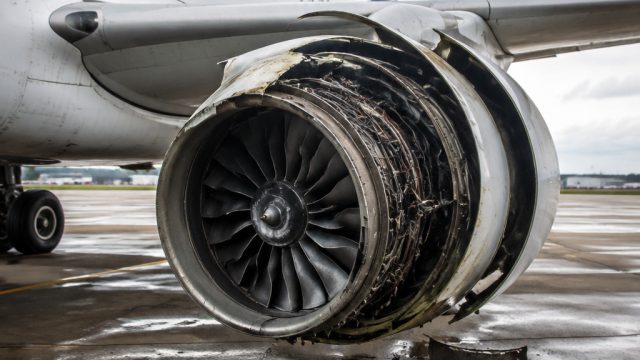
In a troubling incident at Sheremetyevo International Airport, two Superjet 100 aircraft experienced significant engine failures within a mere 35 minutes of each other. These failures of the SaM146 engines have raised immediate concerns regarding the reliability and safety of this aircraft model. As the aviation industry continues to recover from pandemic disruptions, such events underscore the importance of stringent safety standards and thorough mechanical oversight.
The Incident Unfolded
On the day of the incident, the first Superjet 100 reported engine failure shortly after takeoff, resulting in an emergency landing back at the airport. Subsequently, another aircraft of the same model encountered similar issues just over half an hour later, prompting immediate scrutiny from airline officials and aviation authorities.
Understanding the SaM146 Engine
The SaM146 engine is designed to power the Sukhoi Superjet 100, a regional jet that has faced criticism due to prior technical issues. This twin-engine aircraft was developed in collaboration with France’s Snecma, focusing on fuel efficiency and environmental performance. However, the recent failures have reignited discussions about its long-term dependability.
Immediate Reactions and Safety Protocols
- Airline Operators: Many airlines operating the Superjet 100 have temporarily grounded their fleets to conduct comprehensive inspections and ensure safety protocols are met.
- Aviation Authorities: Regulatory bodies are conducting investigations into the cause of these engine failures, seeking to understand if this represents a larger systemic issue.
- Public Concern: Passengers and airline customers are expressing heightened anxiety about flying on aircraft that may have reliability concerns, potentially impacting ticket sales and travel habits.
The Consequences for the Aviation Industry
The implications of these engine failures extend beyond just the immediate safety concerns. Here’s why this matters now:
1. Trust in Air Travel
Public trust in air travel is crucial for the aviation industry’s recovery. Incidents like these can significantly damage consumer confidence. Airlines must work diligently to ensure passengers feel safe and secure.
2. Impact on Manufacturers and Suppliers
Manufacturers like Sukhoi and their component suppliers face pressure to enhance quality controls and product testing. Continuous issues could lead to severe financial repercussions and impact future orders.
3. Regulatory Changes on the Horizon
In light of these incidents, we might see tighter regulations and compliance measures from aviation authorities worldwide. Stricter oversight could result in increased operational costs for airlines, further complicating the post-pandemic recovery landscape.
Conclusion: The Way Forward
The recent engine failures of the Superjet 100 signify more than just a technical malfunction; they highlight a critical moment for the aviation community. As stakeholders react and adapt to these challenges, the focus remains on ensuring the highest safety standards to regain public confidence in air travel. The industry must embrace innovation and enhanced quality assurance to move forward effectively.
As discussions unfold regarding these incidents, it’s pivotal for all involved—manufacturers, airlines, and regulatory bodies—to prioritize safety and reliability, ensuring that such failures become a rare occurrence rather than a commonplace issue. The aviation industry is at a crossroads, and the decisions made today will shape its future for years to come.