
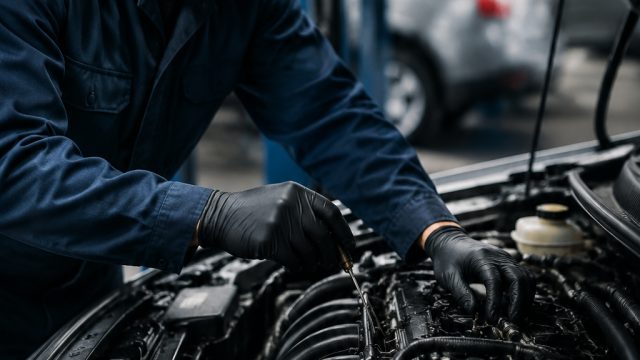
Introduction to Engine Maintenance
Regular maintenance of your vehicle's engine is crucial to ensuring its longevity and performance. A well-maintained engine not only provides better fuel efficiency but also reduces the risk of costly repairs down the line. This article outlines essential engine maintenance tips that every vehicle owner should follow to maximize their car's lifespan.
Routine Oil Changes
One of the most critical aspects of engine maintenance is regular oil changes. Engine oil lubricates the numerous moving parts within your engine, keeping it running smoothly. Over time, oil breaks down and loses its effectiveness, which can lead to increased friction and wear.
How Often Should You Change Your Oil?
Most manufacturers recommend changing the oil every 5,000 to 7,500 miles, but this can vary based on your vehicle's make and model. Always consult your owner's manual for specific guidelines.
Monitoring Coolant Levels
Another essential maintenance task is to regularly check your engine's coolant levels. Proper coolant levels prevent your engine from overheating, which can cause severe damage. Make it a habit to inspect your coolant reservoir at least once a month.
Signs of Coolant Issues
- Overheating engine temperature gauge.
- Coolant leaks under the vehicle.
- Unusual engine noise or steam from the hood.
Replacing Air Filters
Dirty air filters can restrict airflow to the engine, leading to reduced performance and increased fuel consumption. Regularly replacing your air filter is a simple yet effective way to keep your engine running efficiently.
When Should You Replace Your Air Filter?
Typically, air filters should be replaced every 12,000 to 15,000 miles, but this can vary based on driving conditions and your vehicle's specifications.
Keeping an Eye on Belts and Hoses
The belts and hoses in your engine play vital roles in its functionality. Regularly inspect them for signs of wear and tear, such as cracks, fraying, or leaks. Replacing worn belts and hoses before they fail can prevent more significant issues and costly repairs.
Common Signs of Wear:
- Cracks or frays on belts.
- Bulges or leaks in hoses.
- Unusual noises from the engine compartment.
Conclusion: Prioritizing Engine Maintenance
Maximizing the lifespan of your vehicle requires a commitment to regular engine maintenance. By adhering to the tips outlined in this article, you can ensure your engine operates efficiently and effectively for years to come. Prioritizing these practices will not only enhance your vehicle's performance but also save you money on repairs in the long run.